
Azaleas are lovely flowering shrubs that give gardens a lot of color. However, they require acidic soil and good drainage to thrive. Clay soils are alkaline and hold on to water, which can make it hard to plant azaleas there. You can make clay soil work for azaleas by planning ahead and giving them extra care.
Why Azaleas Struggle in Clay Soil
There are a few reasons why azaleas have difficulty growing in clay soils:
-
Acidity Azaleas prefer acidic soil with a pH between 4.5-6 Clay soils tend to be more alkaline
-
Drainage: Azaleas need good drainage, and clay soils tend to hold on to water. Root rot can happen if the roots are too wet.
-
Nutrients: Clay particles bind tightly to nutrients like iron, making them less available to plants. This can lead to yellowing leaves.
How to Prepare Clay Soil for Planting Azaleas
It’s possible to change clay soil to make it better for azaleas that live there:
Test and amend the pH
Test your soil’s pH and if it’s above 6, work in sulfur or peat moss to lower the pH. Target a pH around 5.5.
Improve drainage
Adding things like compost or peat moss will help break up clay soils. Consider creating raised beds for better drainage.
Add acidic fertilizer
Use an acidic fertilizer formulated for azaleas and other acid-loving plants. This will provide nutrients and maintain acidity.
Step-by-Step Guide to Planting Azaleas in Clay Soil
Follow these steps when planting azaleas in clay soil:
Choose a site with partial shade
Azaleas do best with morning sun and afternoon shade. Avoid hot, dry locations.
Prepare a wide planting hole
Dig a hole 2-3 times wider than the root ball but no deeper. Azaleas planted too deeply may rot.
Loosen clay soil in the hole
Mix in compost or peat moss to improve drainage and moisture retention.
Place the shrub in the hole
Set the azalea in the hole so the top of the root ball is level with the ground.
Backfill with amended soil
Use the soil you removed from the hole mixed with compost. Avoid fertilizer at planting time.
Water thoroughly
Water deeply after planting and twice a week for the first season to establish roots.
Apply mulch
Spread 2-4 inches of pine bark or pine straw mulch around the shrub, avoiding direct contact.
Fertilize 3 times a year
Use an acidic fertilizer made for azaleas in early spring, summer, and fall.
Ongoing Care for Azaleas in Clay Soil
To keep azaleas happy in clay soil, be attentive to their needs:
-
Water: Water thoroughly during dry periods. Clay soils dry out quickly.
-
Mulch: Replenish mulch annually to retain moisture and acidity.
-
Prune: Remove dead wood in late winter. Prune immediately after flowering.
-
Monitor pH: Check the soil pH yearly and treat with sulfur if needed.
-
Watch for pests: Inspect for common azalea pests like lace bugs and spider mites.
Alternatives for Growing Azaleas in Clay Soil
If preparing clay soil sounds like too much work, consider these options:
-
Grow azaleas in containers with potting mix for acid-loving plants.
-
Build raised beds and fill with a 50/50 mix of peat and pine bark.
-
Plant in areas where water doesn’t collect and improve drainage with French drains or gravel.
-
Choose azalea varieties specifically bred to be clay-soil tolerant.
While challenging, growing azaleas in clay soil is possible with some persistence. Test and amend the soil pH, improve drainage, provide acidic fertilizer, and give them the moisture and mulch they require. Your efforts will be rewarded with their beautiful blooms year after year. With attention to their needs, you can have thriving azaleas, even in stubborn clay soil.
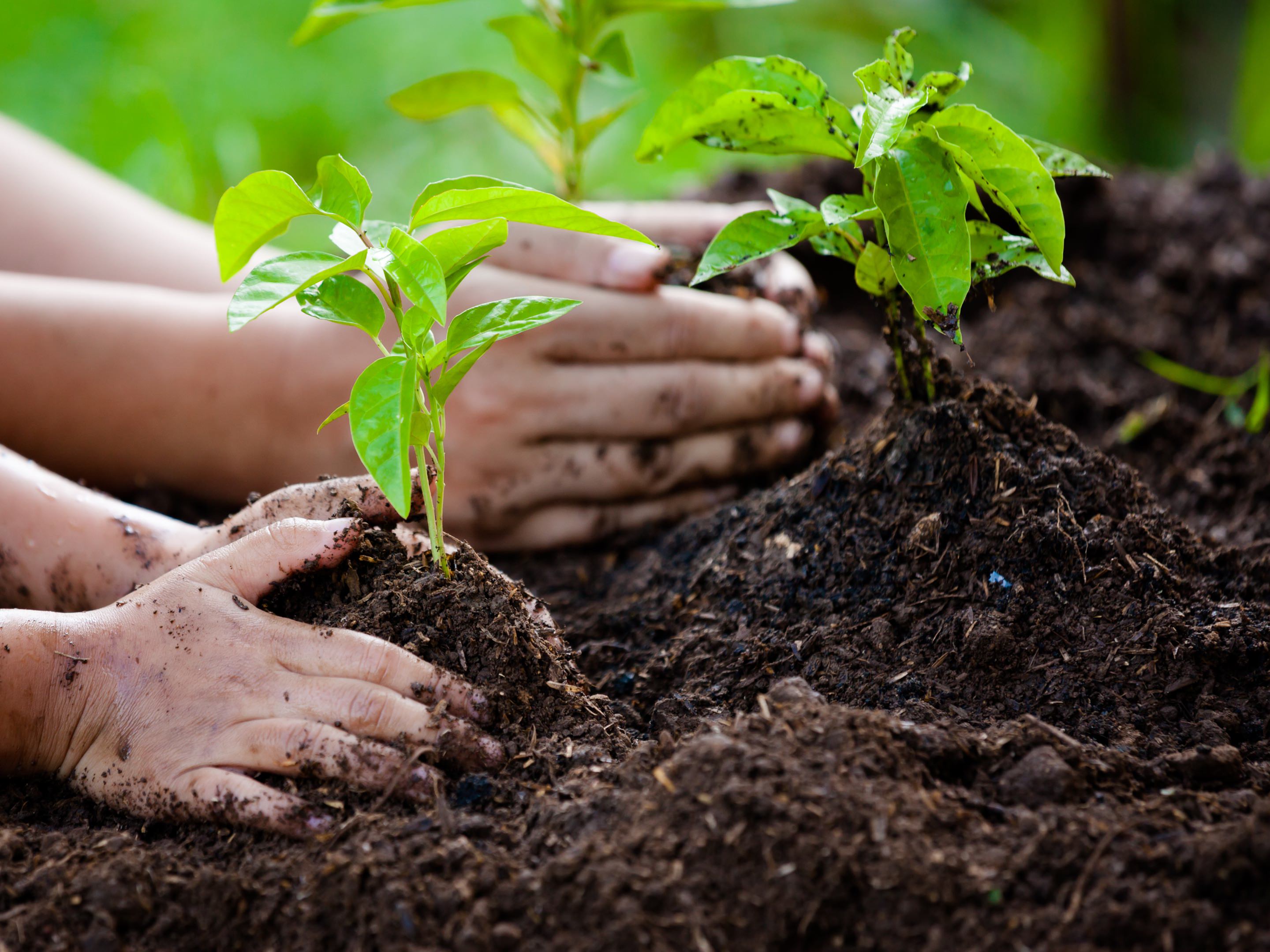
Managing Heavy Clay Soil

Clay soil is often associated with poor drainage and compaction, but with the right practices, you can improve its structure to benefit your azaleas. Avoid overwatering, as azalea roots are susceptible to root rot in soggy soil. Instead, maintain consistent moisture by using moisture-retentive materials like compost and mulch.
Additionally, consider planting on a slight mound to further aid drainage. This keeps extra water from pooling around the plant’s base, which is especially important for deciduous azaleas that get sick more easily when it’s wet.
Planting Azaleas in Clay Soil
Planting azaleas correctly is crucial, especially in clay soil. Here’s a step-by-step guide to ensure success:

Azaleas have shallow root systems, so the planting hole should be wider than it is deep. Aim for a wide hole that’s about three times the width of the root ball, but only as deep as the top of the root ball. This ensures the roots can spread horizontally, which is essential in clay soils where deep roots may struggle with waterlogged conditions. It is possible to “hill” the root ball, which means to plant it a few inches above the ground and then build a hill of soil mix and mulch around it to help it drain properly. If you utilize this method, periodically check that no roots are exposed to the elements. They should be covered with garden soil and mulch.
Combine coco coir, pine needles, and coarse sand to create a loose, well-draining mixture for the planting hole. The azalea’s roots will benefit from this mix, as it allows for both moisture retention and good drainage. Avoid planting too deep—ensure the top of the root ball is level with or slightly above the surrounding soil. Find potting mix or garden soil in a bag that doesn’t have peat moss in it if you want to use it. I like items made from coco coir because they use waste materials from the coconut industry that would otherwise be thrown away. Peat Moss is a natural resource that must be harvested.
After planting, water the azalea thoroughly, making sure the soil is moist but not waterlogged. Apply a thick layer of mulch, using materials like pine bark, oak leaves, or pine needles, to retain moisture and regulate soil temperature. Mulching also helps protect the shallow root system from dry periods and improves soil texture over time.
How to Plant Azaleas In Poor Soil Conditions | Best Soil Amendments For Planting Shrubs
FAQ
Can azaleas survive in clay soil?
If you have clay soil, you can plant your azaleas slightly higher than grade (1 to 2 inches higher). May 10, 2011.
Where should you not plant azaleas?
It is best not to plant near concrete foundations or other concrete materials because the concrete makes the soil alkaline (pH of 6 or higher), which is bad for rhododendron and azalea growth. People often use aluminum sulfate to lower the pH of soil, i. e. make it more acidic, for growing hydrangeas.
Can I plant straight into clay soil?
Clay soil can be a challenge for gardeners. While some trees and shrubs grow well in clay soil, most annuals, perennials, and vegetables don’t have strong enough roots. Clay particles are extremely dense and resistant to water movement, which is not conducive to root growth.
What is the best shrub for clay soil?
Our top pick for clay is Mahonia plants which provide cheery winter colour with their yellow flowers combining well with the golden variegations of spotted laurels. Clay soils are often neutral to acidic, making the pH suitable for hardy hybrid rhododendrons too.