
Mammoth sunflowers are known for their iconic giant singular blooms. But sometimes, these towering plants take an unexpected turn sprouting clusters of smaller flowers along their stems. What causes mammoth sunflowers to grow multiple heads and should you view these bonus blooms as beauty or burden in your garden? Let’s explore the science behind mammoth sunflower proliferation.
Typical Traits of Mammoth Sunflowers
Before we can understand mammoth sunflower anomalies, we need to look at what these plants are normally like. These appropriately named giants can grow to be over 12 feet tall! Their seed heads are at least a foot across, and some can get up to 2 feet across!
Mammoth sunflower varieties like Mammoth Russian or Mammoth Grey Stripe are bred to produce a solitary terminal flower on each plant, Their genetics predispose them to channel all energy into this one enormous bloom, But nature often has other plans
Causes of Multiple Heads on Mammoth Sunflowers
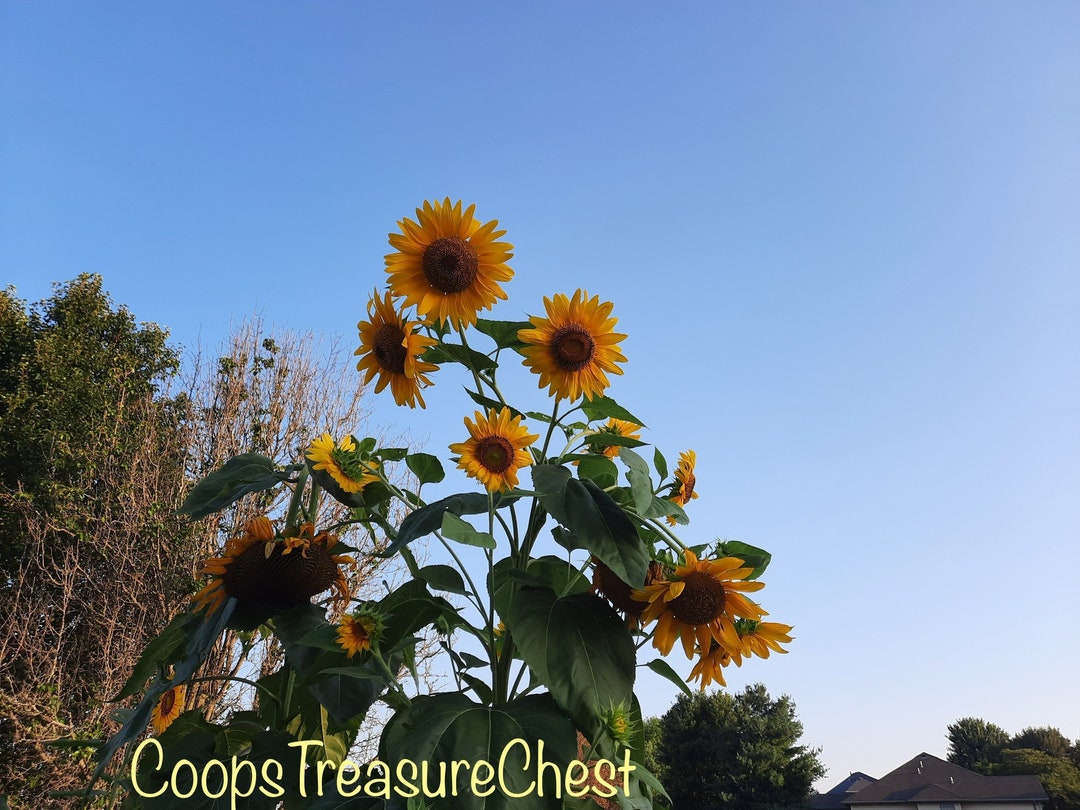
So how do mammoth sunflowers get rows of smaller satellite flowers growing from the spaces between the leaves down the stem? This fasciation mutation probably happens when two different types of plants pollinate each other.
If mammoth sunflowers are grown near Valentine sunflowers, which have many heads, visiting bees may pass on some mutant genes. The resulting mammoth seedlings express both parents’ traits.
Mammoths with extra flowers aren’t bad for breeders who want to find the perfect lone mega-bloom, but they aren’t ideal either. They just put their resources into a bunch of smaller flowers instead of one big one.
Stability of the Multiple Flower Trait
An important question is whether planting seeds from a multi-headed mammoth results in more of the same curiosities next season. Possibly, but mutations often stabilize or revert over generations.
One gardener reported a proliferous mammoth sunflower that produced 5th generation seeds still exhibiting some proliferation. However, the number of extra heads slowly declined with each generation, suggesting a gradual return to the expected single bloom.
No Cause For Concern
So if your mammoth sunflowers begin sprouting surplus blooms, there’s no need to worry. This mutation doesn’t harm the plant, although it may slightly reduce the size of the main flower.
The cause is likely cross-pollination and introgression of a proliferating sunflower variety sometime in its recent ancestral past. While trait stability varies, in most cases the mutation will fade over generations if replanting seeds only from the largest primary heads.
Benefits of Bonus Blooms
Rather than viewing auxiliary flowers as flawed, appreciate them for adding charm and uniqueness to your garden! The flowers will still be lovely with just a fascinating story behind their unusual growth habit.
These extra blooms also provide the following bonuses:
- Increased pollen and nectar for attracting bees and butterflies
- Prolonged bloom period from multiple staggered flowers
- Fun conversation starter for curious guests spying the rows of mini sunflower heads
So embrace the diversity and enjoy nature’s handiwork! Sometimes anomalies are not mistakes but happy accidents bringing more beauty into the world.
Enjoying Proliferous Sunflower Varieties
For gardeners enthralled by sunflowers’ golden crowns, discovering mammoths flaunting frilly rows of duplicate blooms can be serendipitous. But why leave such delights to chance? Some sunflower varieties are actually bred to be proliferous! Consider planting these multi-headed varieties:
- Sundance Kid – A dwarf sunflower reaching just 2-3 feet tall but prolifically branched, supporting multiple 4-6 inch blooms.
- Florenza – Plants around 3 feet tall bearing 5-15 medium 4-6 inch flower heads.
- Soraya – A mid-sized sunflower topping off around 5 feet tall and lined with clusters of 3 inch yellow blooms with dark centers.
- Paula – A double-flowered type producing rows of small yellow-orange pompom-like spheres along each branch.
Caring for Proliferous Sunflowers
Growing mutated mammoths or intentionally multi-headed sunflowers requires similar care to typical single-headed plants. Follow these tips for success:
- Site in full sun with fertile, well-draining soil. Amend with compost if needed.
- Sow seeds 1 inch deep once frost risk has passed. Keep soil evenly moist until germination.
- Space plants 18-24 inches apart. Dwarfer multi-headed types can go closer together.
- Water established plants during drought. Provide 1-2 inches per week.
- Stake taller varieties to protect from wind damage.
- Remove spent blooms to encourage ongoing flower production.
- Wait until backs of flower heads turn brown before harvesting seeds.
The Allure of Anomalies
Seeing mammoth sunflowers flaunting tiny offshoot blooms reminds us of nature’s endless creativity. While mutations can be unpredictable, they provide valuable diversity. Occasional crosses between plant varieties generate new possibilities which may become beautiful new cultivars.
These photogenic curiosities also give gardeners amusing stories to share. So if your mammoth sunflower starts sprouting surplus blooms, appreciate them for adding charm, whimsy, and conversation fodder to your garden!
Reasons Why Sunflowers Grow Multiple Heads
The reasons for sunflowers growing multiple heads can be varied. Some may be good reasons, but others could be a sign of trouble for your sunflowers. Understanding the various reasons why sunflowers grow multiple heads can help you with mitigation measures before you get into losses with your farming venture.

Some of the reasons why we have sunflowers with multiple heads include the following;
Use of Excessive Fertilizer
While it is common to have sunflowers grow a single head, it might be different if they are supplied with more nutrients. The use of too much fertilizer is among the reasons why we have sunflowers with multiple heads. Too much fertilizer gives the sunflower more nutrients, which makes it more fertile. This means that the sunflower will grow more heads.
Many flower heads on a sunflower can also be caused by sunflower pests like sunflower seed weevils and sunflower midges. These pests are known to feed on sunflower seeds and developing heads.
The damage that these pests do to the heads will often leave the heads damaged, which will make your sunflower farm less productive. But there are instances when this will lead to multiple flower heads. This usually happens if they eat the heads while at a tender age, thus giving the bud a chance to sprout into many heads.
The Ultimate Sunflower Growing Guide – From Seed All The Way To Flowers #garden #flowers #plants
FAQ
Why does my sunflower have multiple buds?
It’s probably because of cross-pollination! Some types of sunflowers have more than one head, and cross-breeding can make plants that only have one head sprout…
Do mammoth sunflowers produce more than one flower?
This one has eleven different blooms! A: The ‘Mammoth’ variety of sunflowers have been bred to have one big flower on top and nothing else down the stalk.
How rare is a sunflower with multiple flowers?
The cultivated sunflower has only one flower or head. But their wild cousins, which grow in ditches and other places across most of North America, have more than one flower and head. Multiples of 20 and more heads are common. The ‘wilds’ are the genetic basis of today’s domesticated sunflower.