
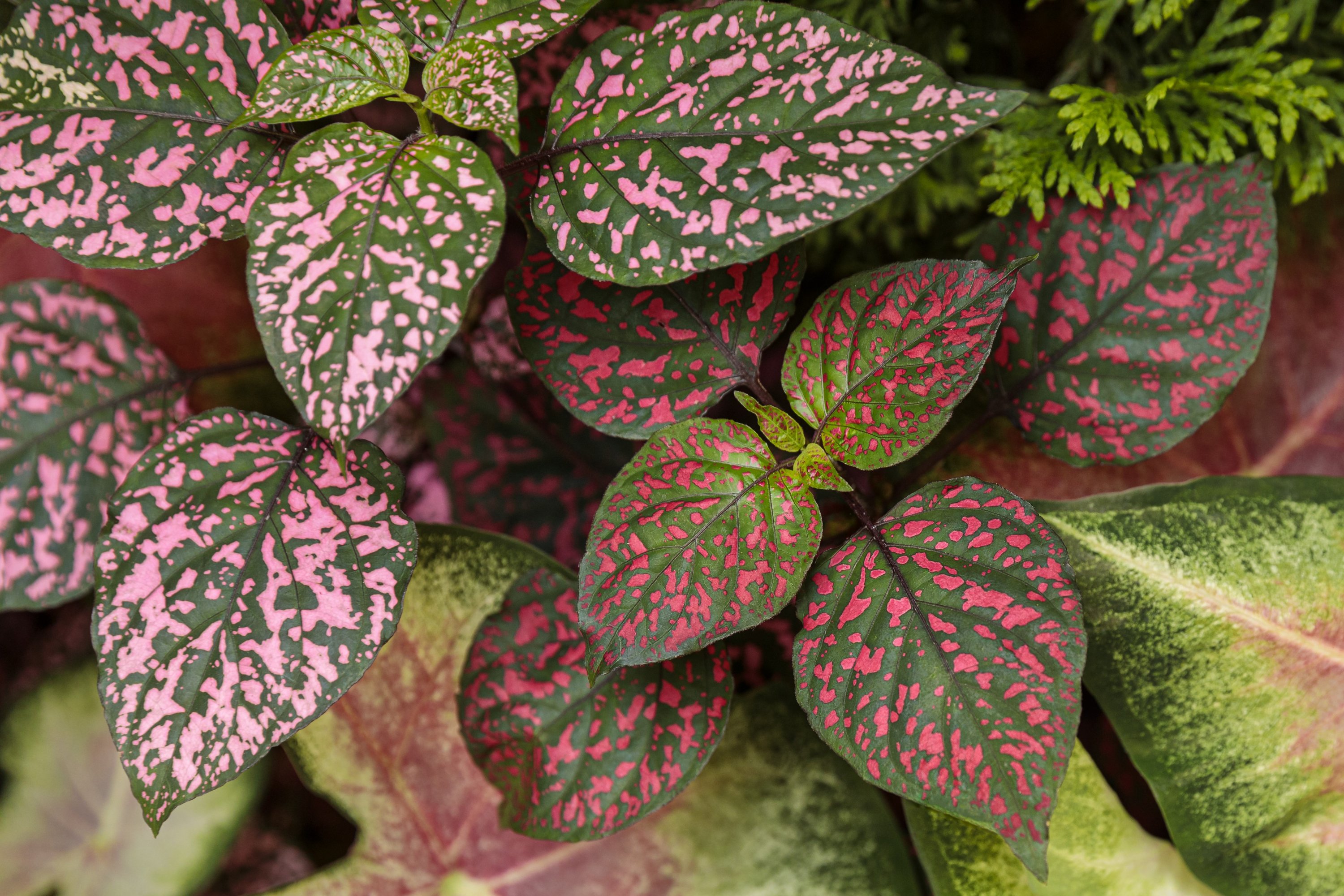
Polka dot plants, whose botanical name is Hypoestes phyllostachya, are popular houseplants loved for their brightly colored leaves with spots. These tropical beauties are from Madagascar and have brightly colored leaves with spots that really stand out in any indoor space.
When it comes to caring for polka dot plants, one of the most important factors is providing the right humidity levels. In this article, we’ll dive into polka dot plants’ ideal humidity preferences and provide tips on how to increase moisture in the air to keep your polka dot plant thriving.
Understanding Polka Dot Plants’ Natural Environment
In their native tropical habitat, polka dot plants thrive in warm, humid conditions. The climate of Madagascar where they originate is characterized by high year-round temperatures, abundant rainfall, and steamy humidity.
To keep polka dot plants healthy and happy as houseplants, you need to create an environment that is similar to the outdoors. These plants are pretty easy-going, but one of the most common problems owners have is that the humidity is too low. When humidity is too low, leaf color fades and leaves fall off.
Luckily, a few easy changes to increase the humidity can make all the difference! By watching how polka dot plants behave in their natural habitat, we can learn more about how to make the right conditions for them indoors.
Why Humidity Matters
For polka dot plants, humidity, or the amount of water in the air, is important because
- Prevents excessive transpiration and moisture loss from leaves
- Keeps leaves full, supple, and vividly colored
- Mimics native tropical conditions, reducing plant stress
- Deters pests and diseases that thrive in arid conditions
When humidity is insufficient, polka dot plants have to work harder to pull moisture from their roots. Growth slows, leaves fade and crisp, and the plant struggles to thrive. Supplemental humidity takes the pressure off and allows the plant to focus its energy on growth.
What’s the Ideal Humidity Level for Polka Dot Plants?
Polka dot plants prefer a minimum humidity level of 50-60% to stay happy and healthy. This is slightly higher than the average 30-50% humidity found in most homes, especially during dry winter months when heating systems are running.
A humidity level of 50-60% provides the right balance of moisture polka dot plants need without risking problems from overly wet conditions. This “humidity sweet spot” keeps their leaf colors vibrant and foliage plump.
Use a hygrometer to monitor humidity levels. Observe your plant and make adjustments if you notice signs of insufficient humidity like wilting, leaf drop, or drab coloration.
Signs Your Polka Dot Plant Needs More Humidity
Watch for these clues that your polka dot plant would benefit from a humidity boost:
- Leaves appear wilted or droopy even after watering
- Leaf edges turn brown
How to Care for Polka Dot Plant?
Caring for a polka dot plant is an enjoyable endeavor. The key of Polka Dot Plant care is to keep the new plant in a warm, high-humid environment and water it regularly. By doing so, Polka Dot Plant should start to establish and grow more vigorously after a few weeks.
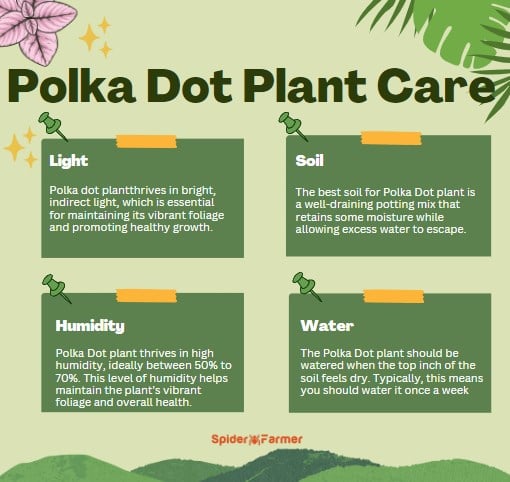
Understanding the specific light, water, humidity, and soil requirements is essential for keeping your polka dot plant healthy and thriving. In this part, we’ll explore essential care tips and best practices to help you nurture your Polka Dot plant.
How to Propagate Polka Dot Plant?
Polka dot plants thrive in bright, indirect light and prefer consistently moist soil, though they should not be overwatered. Under optimal conditions, they can grow quickly, making them ideal for adding colorful foliage to indoor spaces. Regular pruning helps maintain a bushy shape and encourages new growth. Additionally, they can be propagated easily through stem cuttings, allowing for expansion of your plant collection.
In this part, we’ll see how to propagate Polka Dot plant, either in oil or water.
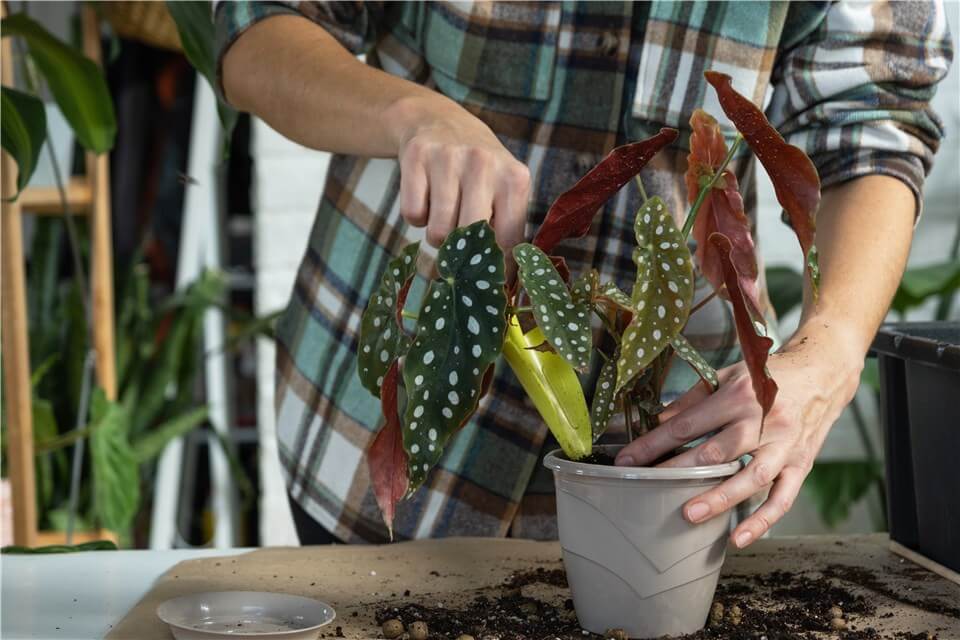
- Pick a stem from the parent plant that is healthy and has a lot of leaves. Ensure it is free from pests and diseases.
- Cut a 4 to 6 inch (10 to 15 cm) piece off the stem just below a leaf node with clean, sharp scissors or pruning shears. This node is where roots will develop.
- Cut off the bottom leaves of the cutting and leave a few on top. This keeps the cutting from going bad when it’s put in water or soil.
- Put the cutting in a glass of water and make sure the node is submerged. This will help it grow roots. Change the water every few days. After about 2-4 weeks, roots should begin to develop. You can also plant the cutting right away in a small pot with moist potting mix that drains well. Use your finger to make a hole in the soil. Then, put the cutting in the hole and gently press down on the soil around it.
- Put the cutting in a warm, bright spot with indirect light whether it’s in water or soil to root. Cover the pot with a plastic bag or use a humidifier to keep the humidity up, but make sure air can flow through to stop mold from growing.
- Once the roots are about 2-3 inches long (5-7. 5 cm), move the cutting to a small pot with soil if you are using water. If it has roots in soil, you can keep it in the same pot as before, but make sure it keeps getting enough light and water.
Polka Dot Plant Care Tips & Tricks | Polka Dot Houseplant Care
FAQ
Do polka dot plants like to be misted?
Polka Dot Plants thrive in humid conditions. They prefer a relative humidity of around 50-60%. If the air is too dry, the leaves may begin to curl and drop. To increase the humidity, you can place a humidifier nearby or mist the plant regularly.
How to make a polka dot plant happy?
To care for a Polka Dot Plant indoors, provide medium to bright indirect light, water when the top inch of soil feels dry, and maintain moderate to high humidity. Keep the plant in a warm environment, between 65-75°F (18-24°C), and avoid drafts. Regularly dust the leaves and rotate the plant to ensure even growth.
How often should I water a polka dot plant?
Polka dot plants (Hypoestes phyllostachya) need to be watered when the top inch of soil feels dry to the touch. During the growing season (spring and summer), this may be every 1-2 weeks, but reduce watering frequency in the winter when growth slows.
What conditions do polka dot plants like?
The polka dot plant is hardy to USDA zones 10-11 making it the perfect annual or houseplant. As a tender tropical plant the polka dot plant prefers warm temperatures, high humidity and protection from direct sun.
Do polka dots like humidity?
The polka dot likes humidity! The minimum level for humidity should be no lower than 50%. If the air where your plant is doesn’t have enough humidity, use a humidifier or a tray with pebbles and water in it. The plant should sit on the tray but above the waterline. The pot should not come into contact with the water at all.
How do polka dot plants grow?
The water from the tray will give your polka the humidity it needs to grow its smooth, fleshy leaves as it evaporates. Grouping several polka dot plants around each other also help to increase the relative humidity, creating a micro-climate for your polkas. These plants thrive in a conservatory, greenhouse, or terrarium.
Can polka dots grow indoors?
If the position for planting is too bright with sunlight, the foliage will fade. Indoors, give your polka dot plant bright indirect light. They can do well in low light conditions, but may lose some variegation. The soil for the polka dot needs to be moderately moist at all times.
How do you increase humidity in a polka dot plant?
The fastest and simplest way to increase humidity is by spraying your polka dot plant with a fine mist of water. Rainwater is ideal because it will not have chemicals as tap water does. Always make sure the water is tepid when misting. The best place for misting is over a sink or bathtub or in a shower.
How much sunlight does a polka dot plant need?
The polka dot plant likes moderate amounts of sunlight. As long as it’s bright indirect light, it’ll be a happy plant. Give it 8-10 hours of light each day. How do you care for a polka dot plant indoors?.
Does a polka dot plant grow in cold weather?
As with most annuals, a polka-dot plant reduces growth almost to a halt during colder weather. Your polka dot plant should pick up normal growth once it gets warmer. Consequently, you should tweak your watering routine according to the time of the year. In summer, your polka will bloom and experience a growth spurt.