
Deer Proofing Raised Garden Beds: 10 Tips to Keep Deer From Devouring Your Plants
Deer can quickly go from being cute visitors to your backyard to four-legged pests if they start eating your carefully tended vegetable garden. If deer in your neighborhood are using your raised beds as an all-you-can-eat buffet, it’s time to deer-proof your garden. It doesn’t have to be hard or expensive to keep your plants safe. You can keep your garden safe without giving up style or access by using some smart design tricks and deterrents.
In this article, we’ll explore 10 simple and affordable tips for making raised beds deer resistant Follow these suggestions for keeping deer at bay while still being able to easily tend your plants
- Add Mesh Fencing Around Beds
The easiest way to keep deer from getting to your plants is to put up a fence around the outside of your raised beds. Fix tall metal deer netting or mesh to wooden posts. A fence that is at least 6 feet high will keep deer from jumping or leaping over it.
- Try Motion-Activated Sprinklers
Deer dislike being sprayed with water Install motion detectors that activate sprinklers to startle deer away from the area Just be sure pets or people passing by don’t get an unexpected shower!
- Use Fishing Line to Create a Grid
Crisscross transparent fishing line over beds in a grid pattern. Deer can’t see the lines, and touching them will scare them. Reapply frequently as the lines sag.
- Apply Deer Repellent Sprays
Spread bug sprays made from garlic, chili powder, egg solids, or other strong smells over the whole bed. Reapply after rain or every 2-4 weeks.
- Add Deer Resistant Plants
Choose plants like lavender, daffodils, citronella, and sage that deer tend to avoid. See lists online of other deer resistant varieties to incorporate.
- Scare Them Away With Scent Sachets
Deer will stay away from your garden if you hang bags of dirty hair, soap shavings, garlic cloves, or sweaty clothes around it. The strong odors deter deer.
- Use Motion-Activated Lights and Sounds
Spook deer using lights that flood the area or sounds from radios or alarms triggered by motion sensors. Change locations regularly so deer don’t become accustomed.
- Apply Milorganite Fertilizer
The scent of this organic nitrogen fertilizer repels deer. Sprinkle it around beds every 4-6 weeks according to package directions.
- Add a Scarecrow or Predator Decoys
Having “guards” like scarecrows, plastic owls, or coyote decoys around can keep deer away surprisingly well. Move them around periodically.
- Use Natural Topical Sprays on Plants
Make DIY topical sprays from eggs, hot peppers, garlic, or oil and soap and apply directly to plants to deter deer from browsing. Reapply after rain.
Designing Deer Resistant Raised Beds
Incorporating elements designed to thwart deer right into your raised bed construction is another smart tactic. Here are some tips:
-
Add netted sides and roofs to build cages or enclosures using tall metal deer fencing. A roof further prevents deer from jumping in. Ensure ample ventilation and access.
-
Construct a perimeter wooden wall barrier several feet high around the bed to physically block deer access. Leave a maintenance access gate.
-
Elevate beds above deer height by building atop a wooden frame or cinder blocks. Go at least 10 feet high.
-
Lay mesh fencing underneath the soil level in raised beds to prevent deer burrowing underneath. Use 1/2 inch aviary wire.
-
Rim raised bed walls with overhang ledges that angle outward to deter deer. They find these overhangs difficult to maneuver around.
-
Attach motion-detecting sprinklers or sprayers to beds that will douse deer in water if they approach at night.
-
Opt for solid wood planter box style beds over basic open-topped, short-walled beds. More visual deterrent.
-
Install perimeter fencing but also add deterrents like repellents, lighting, or scarecrows for extra protection.
-
Fence off only beds with edibles. Many ornamentals are deer resistant so save money by leaving decorative beds open.
Sample Deer Proof Raised Bed Designs
Here are a few example raised bed designs that can help thwart four-legged pests:
-
Simple Fenced Box: Build a basic wooden box frame, line the bottom with wire mesh, and install tall garden fencing around it. Include a gated door for access.
-
Enclosed Cedar Planter: Construct an enclosed planter from cedar with slatted sides and hardware cloth bottom. Add netted roof panels with slope for runoff.
-
Elevated Bed with Overhang: Raise a basic bed on concrete blocks/wooden frame. Add wide, sloped top perimeter ledges that angle outward to prevent deer jumping in.
-
Grid and Post System: Set sturdy corner posts and string taut horizontal/vertical wire lines across in grid pattern to block access.
-
Decorative Metal Cage: Build open-air cage enclosure from steel fence panels/welded wire. Line bottom with mesh and add a maintenance gate.
Key Features of Deer Resistant Raised Beds
Effective deer proof garden beds often share these design characteristics:
-
Physical barriers like tall fencing, walls, or elevation out of reach
-
Mesh flooring to prevent access from under the bed
-
Motion-activated deterrents like sprinklers or lights
-
Netted roof panels over open-topped beds
-
Routine application of natural repellent sprays
-
Scare tactics using decoys, sounds, or scents
-
Minimal gaps or holes for deer to crawl through
-
Latched gates and barriers on access doors
-
Consistent reapplication of deterrents before they lose effectiveness
Protect Your Bounty Without Sacrificing Beauty or Access
With some clever planning, you can reap a bountiful vegetable or ornamental garden harvest without sharing it with neighborhood deer. Follow these tips to make your raised beds as deer resistant as possible. Employ multiple deterrent strategies layered together for highest success chance. Be vigilant about reapplying or activating deterrents before deer can adapt. Soon you’ll have a thriving garden that keeps deer at bay while still being decor-friendly and easy to maintain. Let your raised beds nourish your family, not freeloading forest fauna!
Step 14: Hanging the Gate
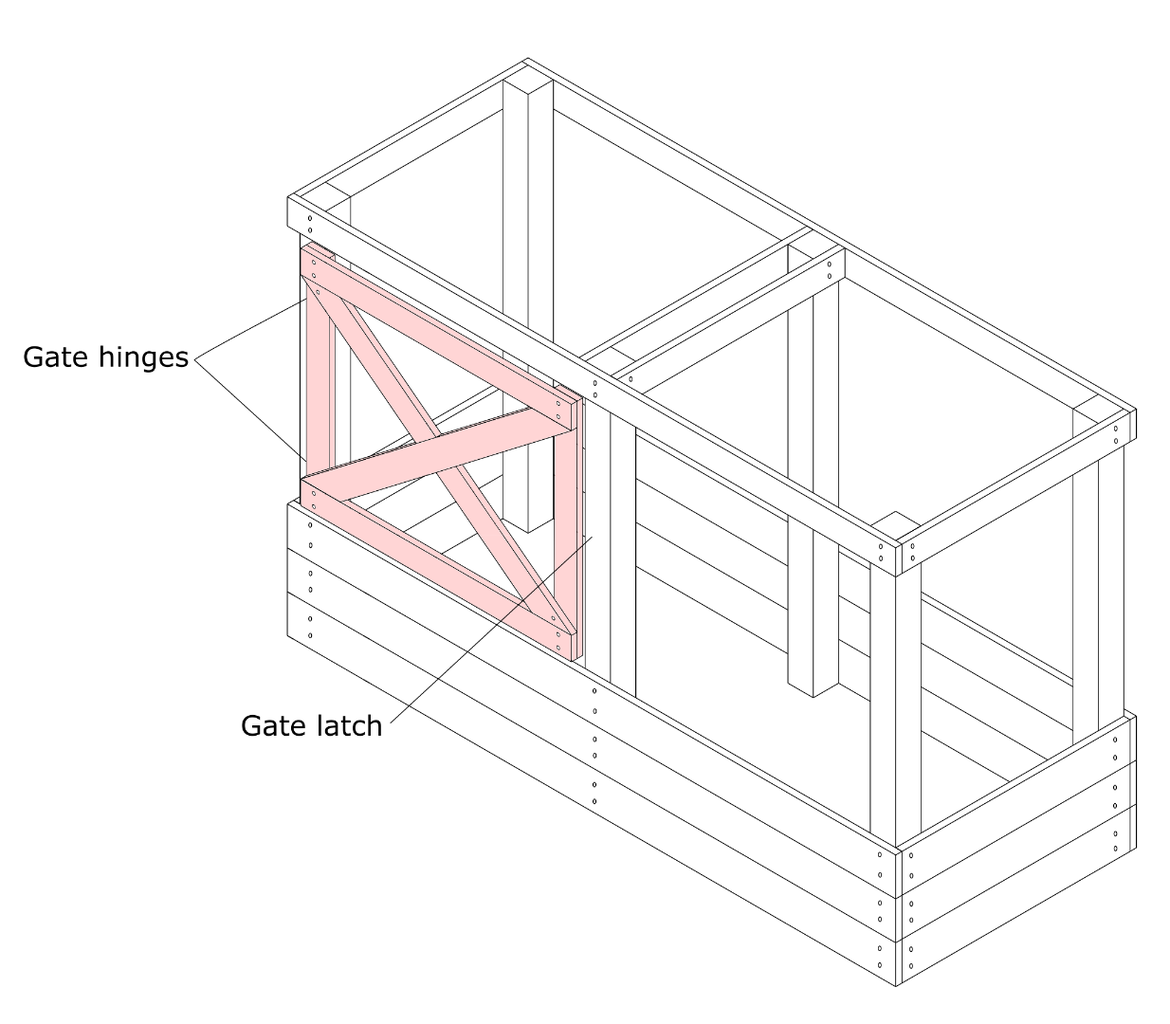
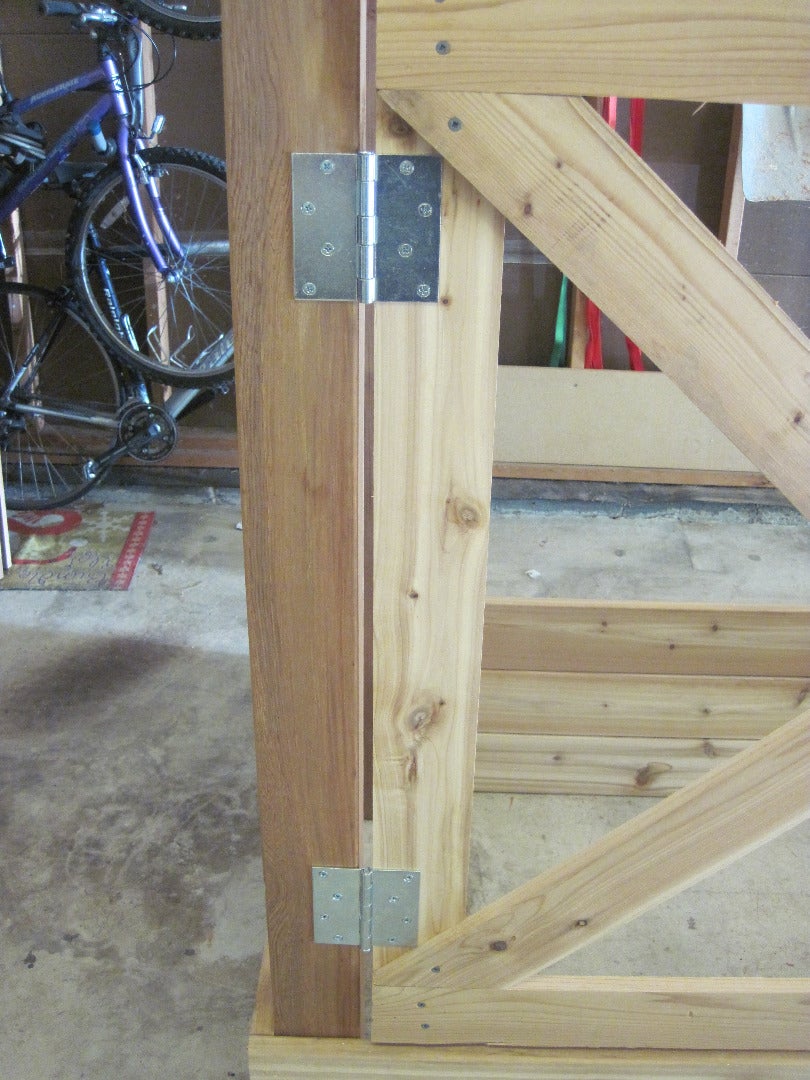
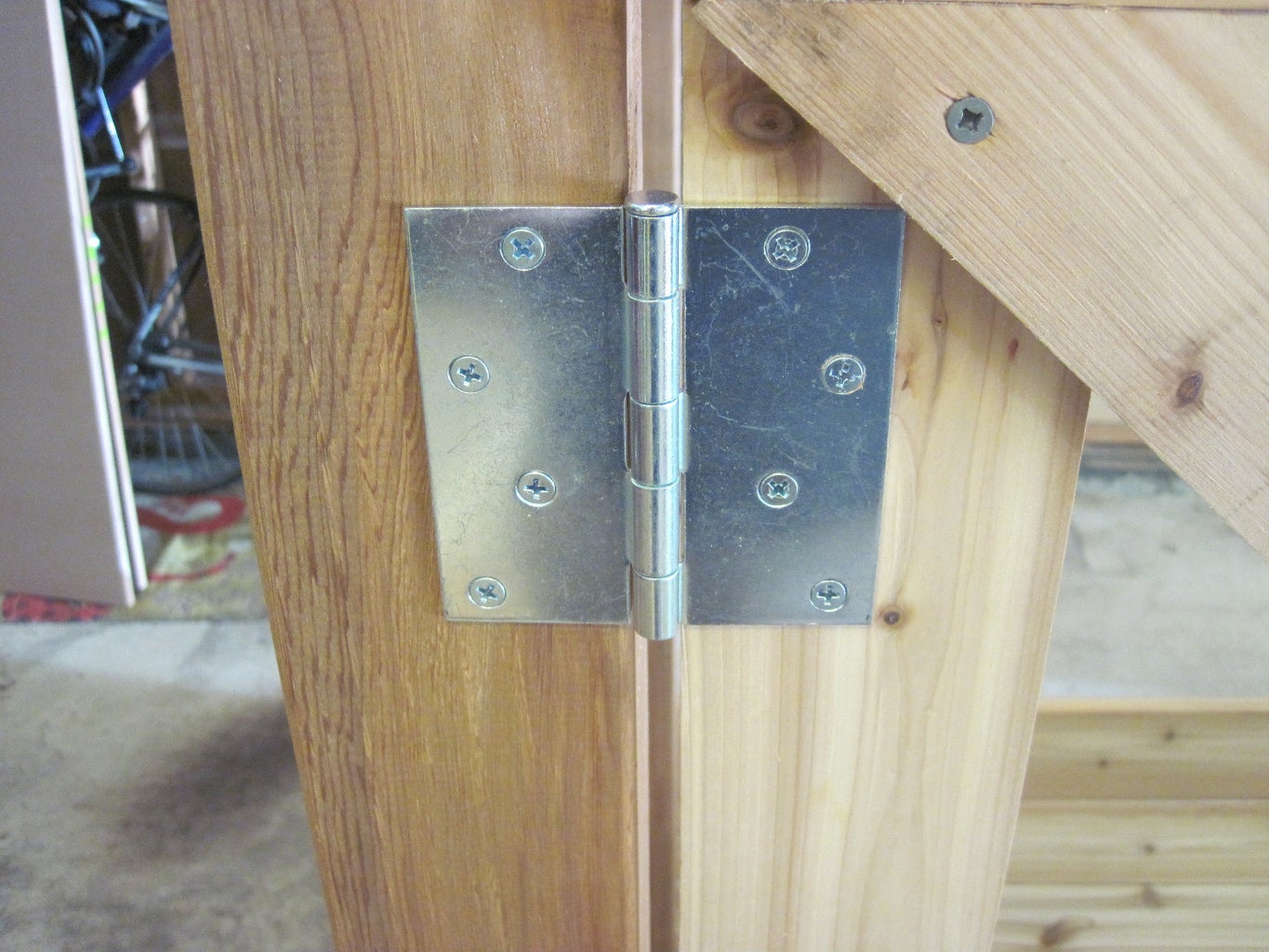
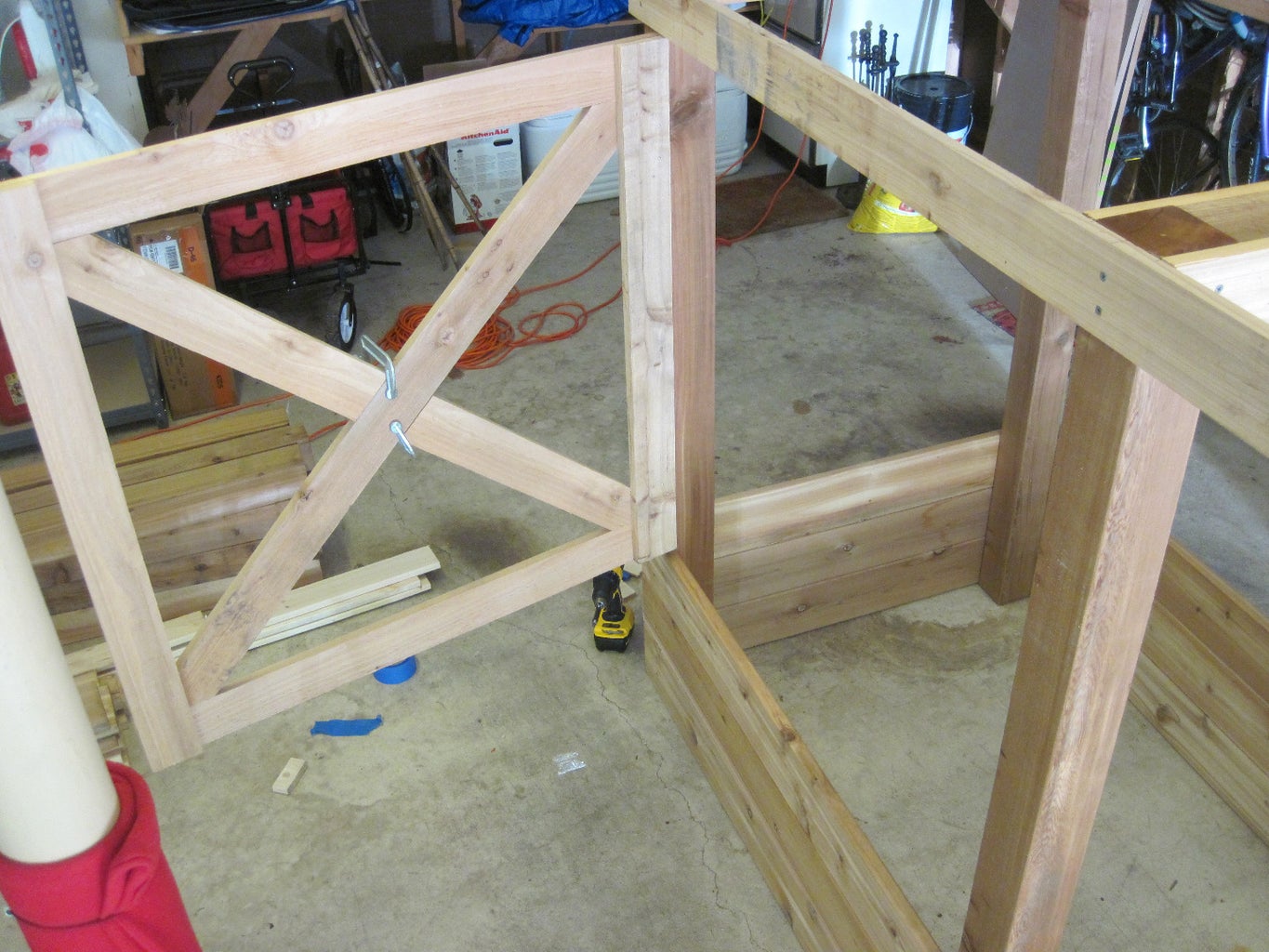
- It helps to have a friend hold things in place at this step too.
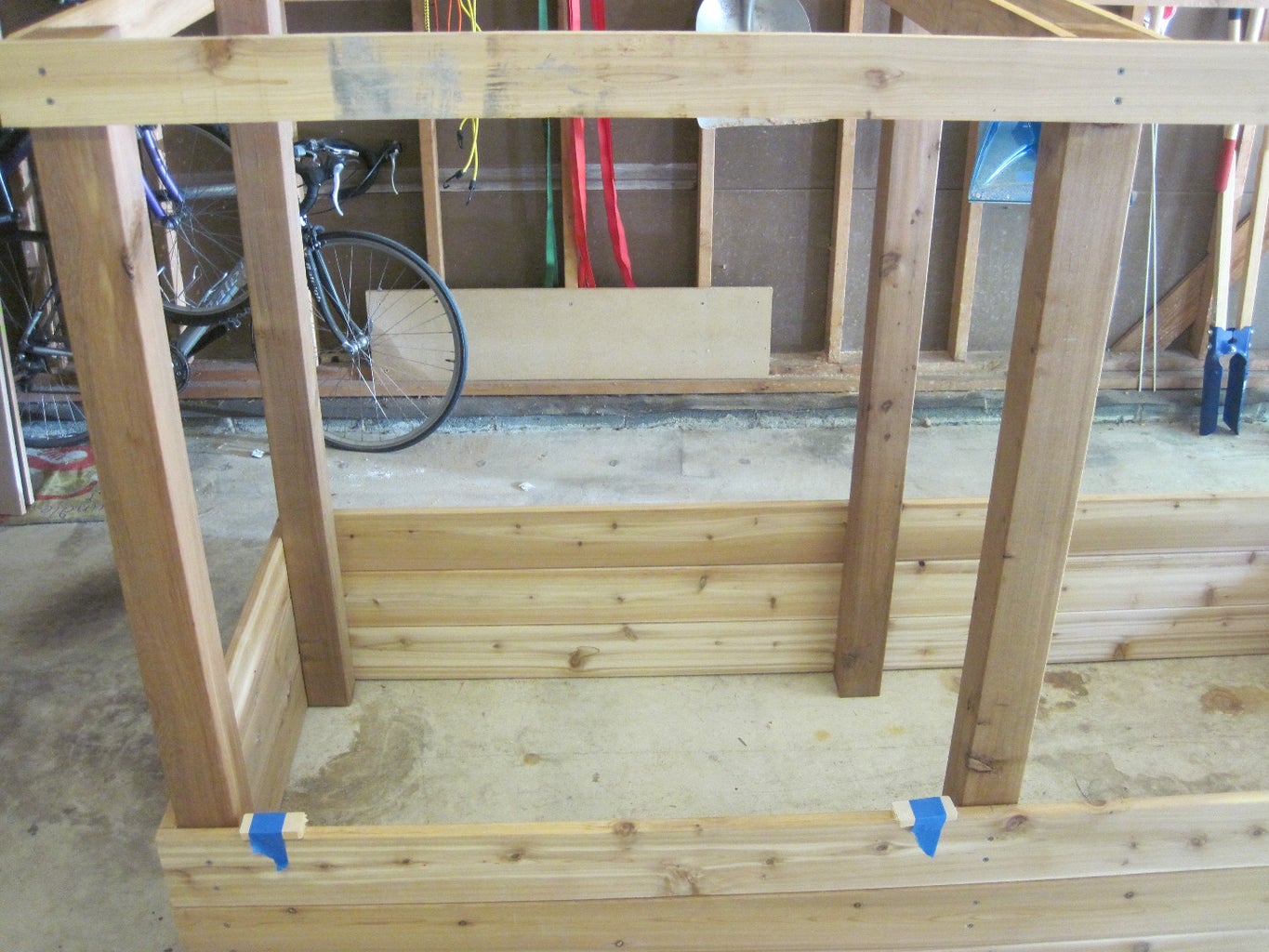
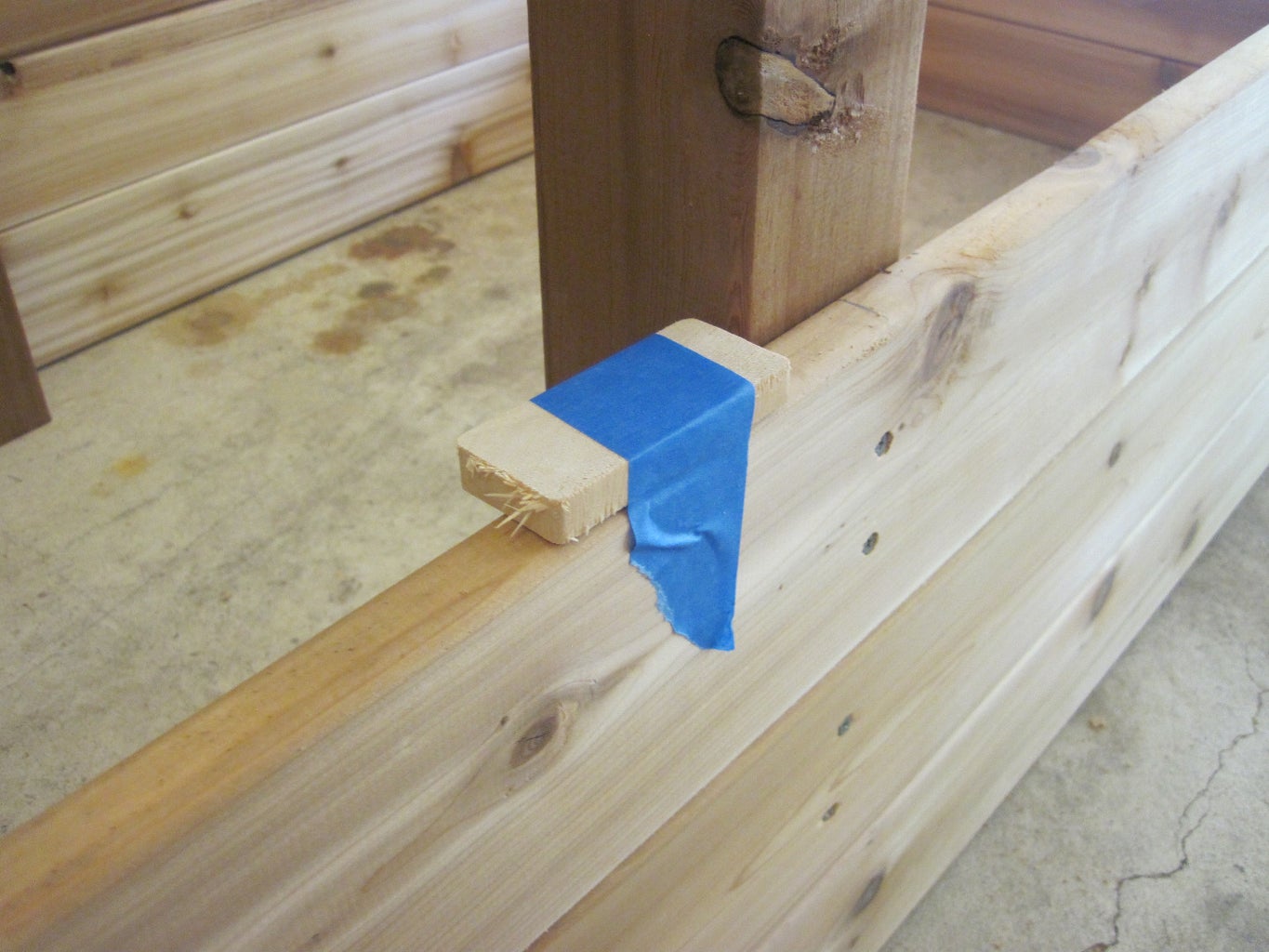
- Cut out little blocks that the gate can rest on while you hang it. Place the gate on the shims and check to see if there are even gaps above and below it. Their exact thickness will depend on how well everything else fits together, so you might have to try this a few times before you get it right.
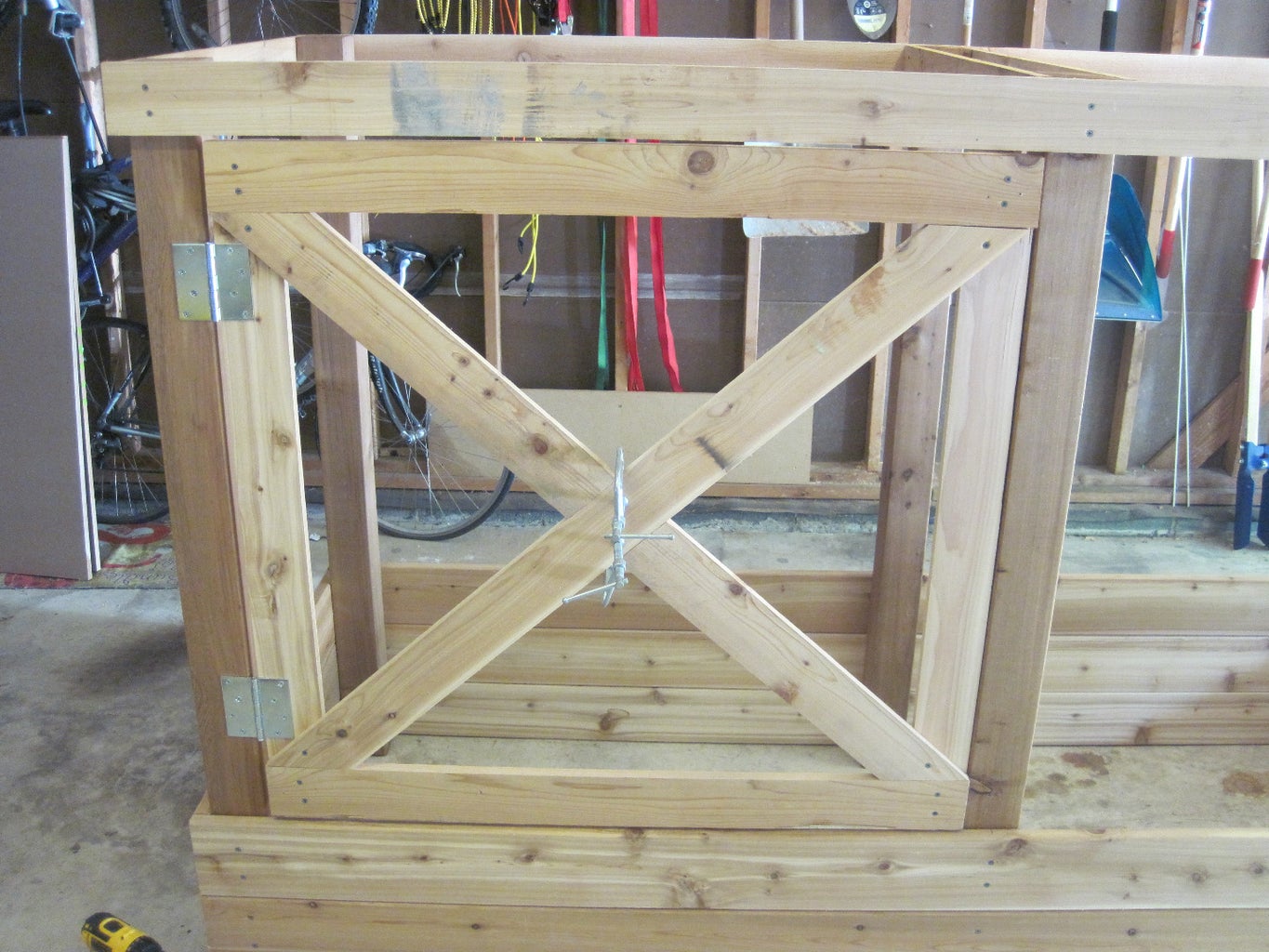
- Move the gate to the left or right so that the hinges line up with the 4×4 post.
- Screw the hinges into place onto the 4×4.
- Make sure the gate opens and closes. If not, you might need to fix the hinges and try again.
This step starts at 5:29 in the video.
Step 13: Building the Gate: Attaching Hinges

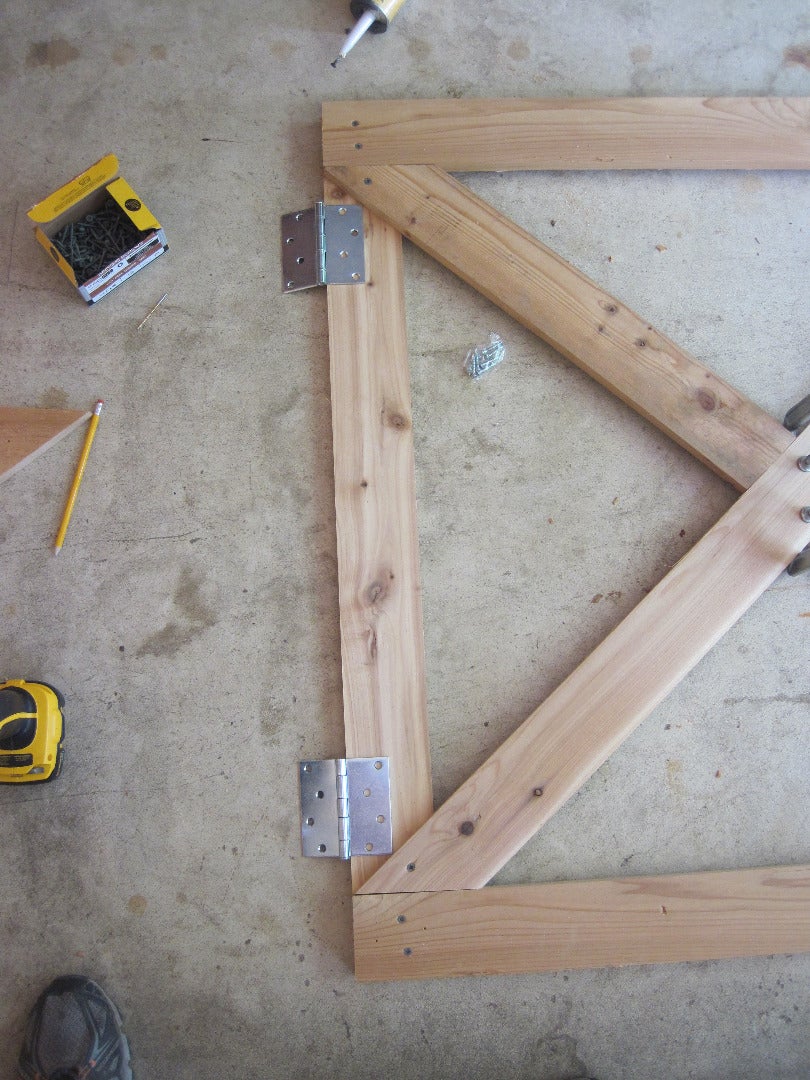
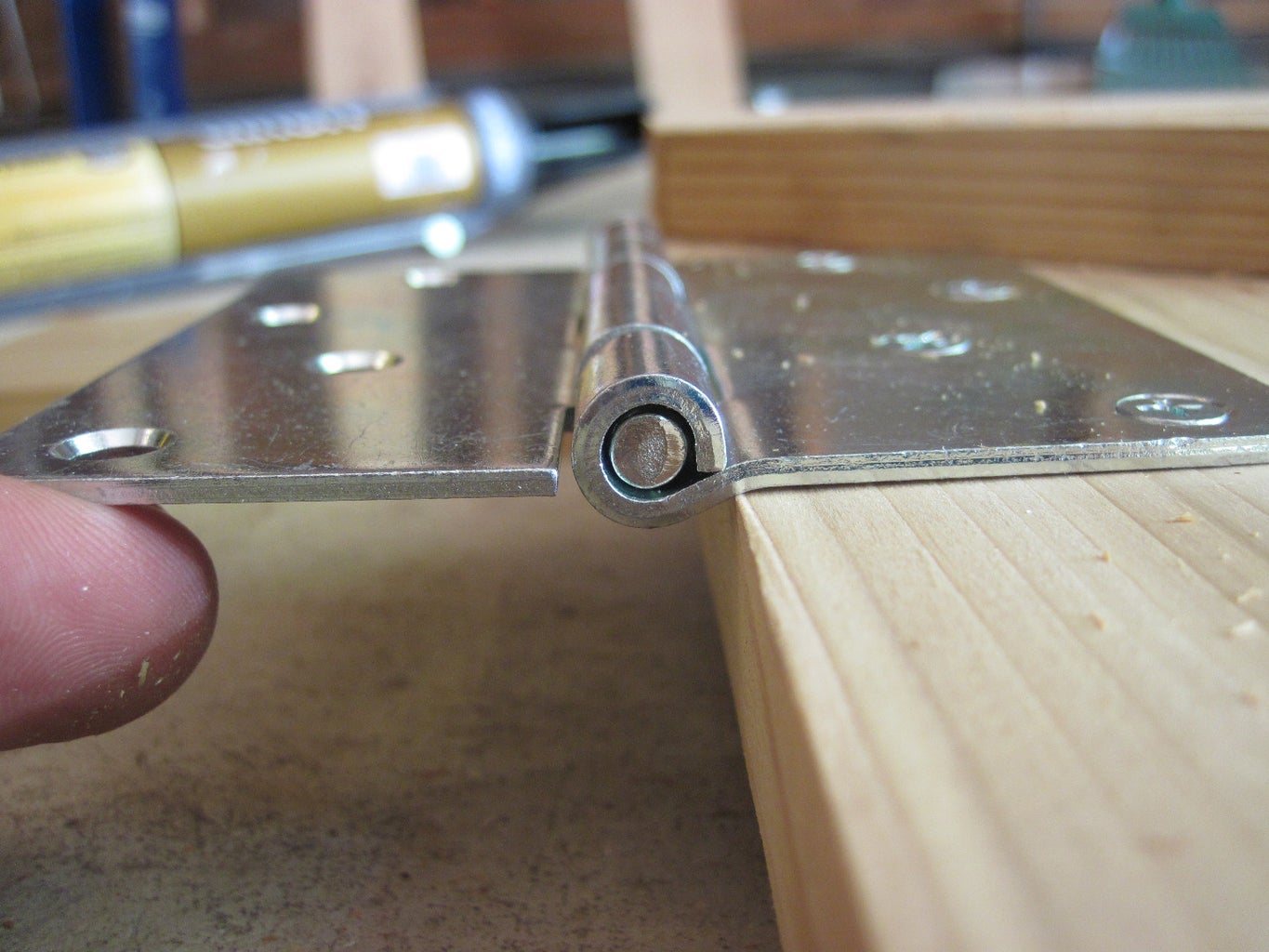
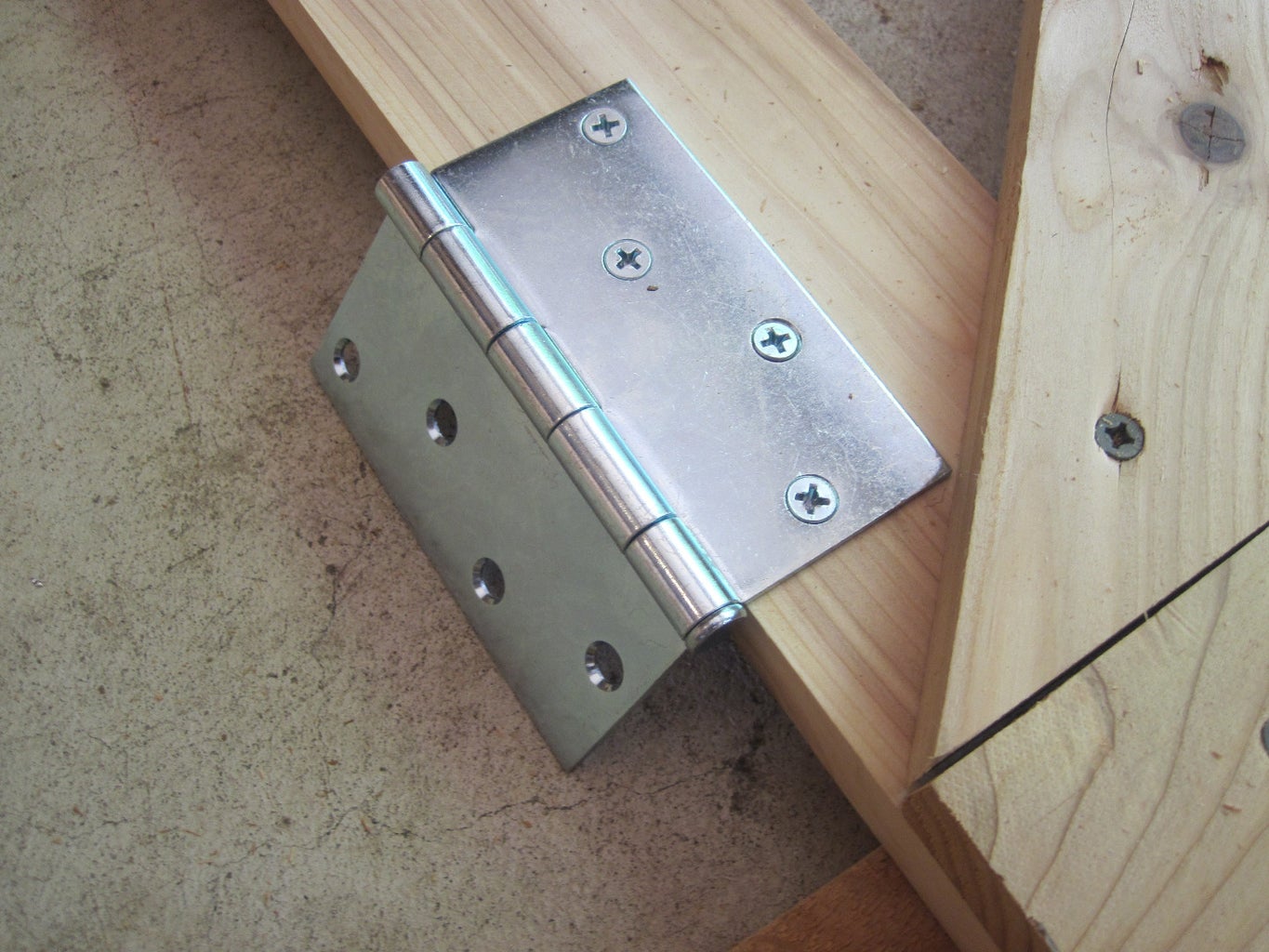
- Use some scrap wood (which you should already have) to hold the gate up. The screws that come with the gate hinges are long enough to go through the 1×4.
- In a straight line along the 39-inch piece, place one hinge at the top and one at the bottom.
- Use the screws that came with the hinges to put it in place. It worked out fine even though I didn’t drill these holes first. Keep in mind that the screws may be a little too long and stick out a little from the back of the 1×4. I didn’t go back to the hardware store to get shorter screws because I was too lazy. Instead, I used a Dremel to cut off the screws’ tips.
This step starts at 5:15 in the video.
Garden in a Box with Deer Fence 8×12 Assembly
FAQ
How to protect raised beds from deer?
Physical barriers are perhaps the most effective method you can use to keep deer at bay. These includes fences and covers, such as plastic netting, chicken wire, or floating row covers that you place over plants so deer can’t reach them.
What do deer hate the most?
Deer are known for their sensitive noses and are often deterred by strong smells. They dislike the scents of mint, garlic, lavender, blood meal, and certain soaps like Irish Spring. Deer also stay away from plants that smell bad, have sharp leaves, or are poisonous to them, like rhubarb.
What vegetables should not be grown in a raised bed?
- Potatoes.
- Asparagus.
- Artichokes.
- Rhubarb.
- Corn.
- Wheat.
- Rice.
- Winter squash.
How do I keep deer out of my veggie garden?
Soap Bars: Deer won’t want to come into your garden if you hang bars of strong-smelling soap, like Irish Spring, around the edges. The scent throws them off!.
Are raised garden beds deer proof?
There are many DIY deer proof raised garden beds ideas to help keep your garden safe from deer. One idea is to make a fence around your garden, with tall stakes at the corners. You could also construct a sturdy fence made of wooden boards, with a gate that is always closed (except during hunting season).
Should you build a deer-proof raised garden bed?
Building deer-proof raised garden beds is a practical and effective way to solve this problem. Not only will it protect your plants, but it will also add some aesthetics to your garden. If you’re looking for inspiration, check out our raised garden bed ideas to design a garden that fits your needs.
How do you protect a raised bed from deer?
Add deer-proof features to ensure maximum protection. Install a fence around the raised bed, 6 to 8 feet tall. Use welded wire fencing or deer-netting for effective barriers. Bury the bottom of the fence about 6 inches underground to prevent deer from digging.
How do I keep deer from digging through my garden?
Another option is to add a layer of mulch beneath the vegetables and flowers in your garden, which will make it difficult for deer to dig through. A raised bed garden is a great way to conserve valuable ground space. A raised bed garden is a great way to conserve valuable ground space.
Do deer eat raised garden beds?
Deer are notorious for munching on garden vegetables and flowers, leading to frustration for gardeners. A raised garden bed elevates plants, making it less accessible for deer. A deer proof raised garden bed also promotes healthier plant growth. By keeping deer away, you reduce the stress on your crops, allowing them to flourish.
Can deer repellent spray be used on garden beds?
Deer-Proof Raised Garden Beds: We live in a heavily wooded area, which means lots and lots of deer. Previous attempts to use deer repellent spray on our garden just resulted in our dogs constantly licking the plants (I think the stuff was supposed to taste like rotten eggs, which….