
Butterfly bushes (Buddleia spp) are beloved ornamental shrubs, prized for their gracefully arching branches covered in long, attractive flower spikes Their blooms draw in butterflies, bees, and other pollinators, making them star performers in the late summer garden.
But something is wrong if the leaves on your butterfly bush turn yellow and dull instead of green and healthy.
There are several potential reasons butterfly bush foliage can turn yellow By understanding the most common causes and taking corrective action, you can nurse your plant back to peak condition
In this article, we’ll cover:
- The top reasons butterfly bush leaves turn yellow
- Cultural problems like overly wet or dry soil
- Diseases and insects that affect the foliage
- Environmental factors including sun, heat, and herbicide damage
- How to diagnose and treat yellowing leaves on butterfly bushes
- When more intensive pruning or replacement is needed
Follow these troubleshooting tips and your butterfly bush’s faded leaves will be vibrant green again soon!
Why Butterfly Bush Leaves Turn Yellow
Here are the most likely causes of yellow, faded looking leaves on butterfly bushes:
- Overly wet soil leading to root rot
- Drought stress from under-watering
- Nutrient deficiencies in poor or acidic soil
- Spider mites or other sap-sucking insects
- Herbicide damage from drift or misapplication
- Diseases like downy mildew
- Excess sun scalding the leaves
- Normal fall leaf color change (deciduous varieties)
Figuring out the trigger guiding you toward solutions.
Diagnosing and Treating Yellow Butterfly Bush Leaves
Start investigating yellowing butterfly bush foliage by looking for clues:
- Check if yellowing is only on part of the plant, signaling pests or disease.
- Look for webbing, insects, or spots on leaf undersides indicating pests/disease.
- Consider recent fertilizing, pruning, or soil changes.
- Rule out herbicide damage if worst on outer parts.
Then take corrective action:
- Improve drainage in wet soil.
- Fertilize with a balanced fertilizer for deficiencies.
- Use horticultural oils/soaps on sucking insects.
- Prune off affected parts to control/prevent spreading disease.
- Provide afternoon shade if sun is too intense.
- Mulch and water thoroughly if drought stressed.
- Amend soil pH if too acidic.
- Be patient if part of natural autumn yellowing!
When More Drastic Measures are Needed
If your butterfly bush has extensive yellowing damage not fixed by basic solutions, consider:
- Severe pruning of damaged parts in early spring to stimulate new growth.
- Removing severely affected plants and replacing if unrecoverable.
- Trying a new variety better suited to your conditions.
While butterfly bushes are quite resilient, major action may be required for severe issues.
Answering Common Butterfly Bush Leaf Questions
You may still have questions about the yellow leaves on your butterfly bush. Here are some answers to those questions:
What does too much water do?
Excess moisture around the roots can cause rotting. Improve drainage and avoid overwatering.
Do butterfly bushes need full sun?
They thrive in full sun but may need afternoon shade in hot climates to prevent leaf scorch.
Should I cut back butterfly bushes in fall?
It’s best to prune in late winter/early spring before new growth emerges. But light shaping after flowering in fall is okay.
How long do butterfly bushes live?
With proper care, butterfly bush lifespan is typically 8-15 years or even longer. Some varieties are shorter lived at just 3-5 years.
Should I fertilize my butterfly bush?
Fertilizing in spring with a balanced 10-10-10 fertilizer provides sufficient nutrition. Avoid high nitrogen products.
Spotting and quickly fixing yellow butterfly bush leaves ensures your plant keeps flourishing. Stay vigilant for stress signals and you’ll be rewarded with vibrant blooms on lush, healthy foliage.
In Summary
Butterfly bushes with yellow, faded leaves are distressed. Find the cause, such as too much water, drought, pests, or disease, and fix the problem to get health back. The leaves on your plant will soon be green again after some quick help. Watch for signs of stress and take care of problems right away to make sure your butterfly bush stays healthy and beautiful for years to come.
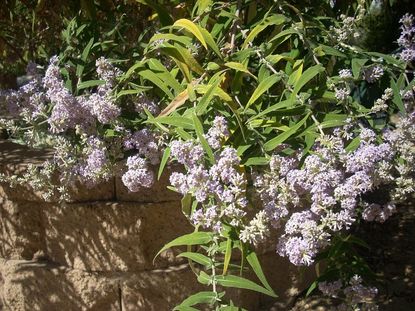
But, chlorosis can be the result of many different things.
- So, without proper evaluation of the plant,
- and, without an evaluation of its environment,
- It’s possible that no one will ever be able to say for sure why a bush is turning yellow.
- So, you might need to get help from a local horticulturist to figure out what’s wrong with your plant by looking at it in its natural setting.
My shrub leaves are yellow. What can I do to help my tree survive?
- A lot of people wonder why their shrub is turning yellow.
- And, it doesn’t always have a simple answer.
- But, yellowing leaves is generally referred to as chlorosis.
- And, this caused by leaves lacking chlorophyll.
- Chlorophyll gives plants their green color.
- As well, it empowers them to create food for themselves.
How To Solve The Mystery of Virus-Like Yellow-Green Spots on Buddleia Leaves (Aphids)
FAQ
What does an overwatered butterfly bush look like?
If you have an irrigation system, be sure it’s not inundating your butterfly bush. Signs of overwatering include weak stems, fewer flowers, and dieback. Avoid fall planting.
How do you revive a butterfly bush?
If it’s late in the spring and you discover dead growth on your butterfly bush, prune it away. New growth can only come from living stems, and this should encourage it to start growing. Don’t do it too early, though. A bad frost after this kind of pruning can kill back all that healthy living wood you’ve just exposed.
How do I fix yellow leaves on my bushes?
Leaves Turning Bright Yellow or Mushy Stems When plants sit in waterlogged soil, their roots can’t get enough oxygen, leading to root damage which manifests as yellow leaves. You can correct this by letting the soil dry out more in between waterings.
How do you take care of a yellow butterfly bush?
Butterfly bushes can do well in any garden or landscape that receives adequate amounts of sun (6 hours or more) and has well draining soil. Their graceful arching shape looks good as a background in casual gardens, and smaller types can be grown near the front border as accents or in groups.