
The Mighty Oak Grows from a Tiny Acorn
The saying “the acorn contains the oak” means that even the smallest seed has the potential to grow into something big. Philosophers, writers, and spiritual leaders have thought about this idea for hundreds of years. But what does it mean from a botanical point of view? In this article, we’ll look at both the literal and symbolic meanings of this old saying.
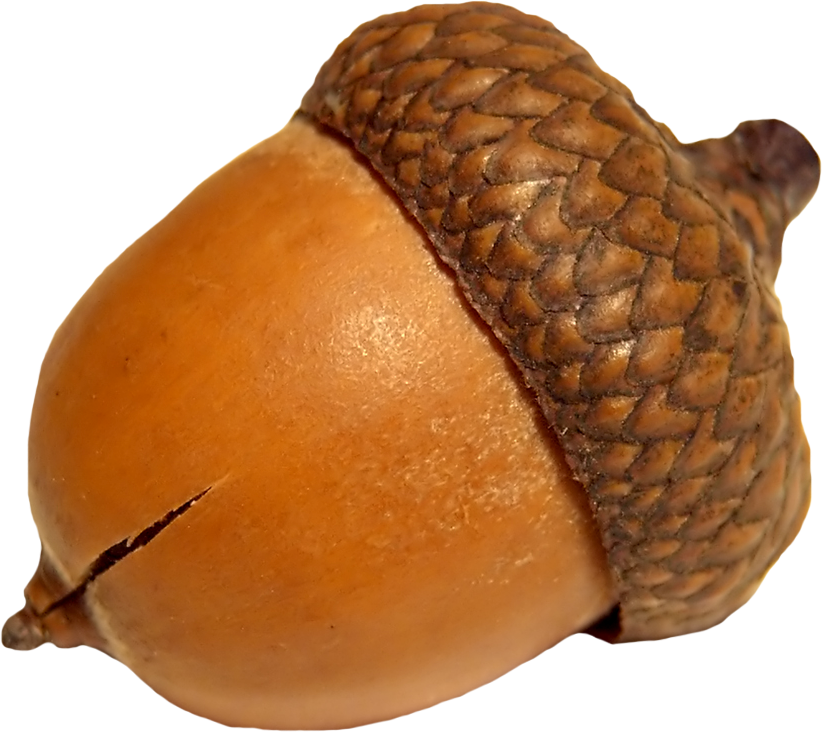
On a basic level, the saying refers to the oak tree’s reproductive process. Oaks are angiosperm plants, meaning they produce seeds enclosed in protective fruit structures. For oaks, this seed-bearing fruit is known as an acorn. Though acorns are usually no more than 2-3 cm long, each one houses the essential elements to grow an entire oak tree under the right conditions.
There is an embryo inside the acorn that will grow into a seedling when the conditions are right. The acorn also has cotyledons, which are seed leaves that feed the embryo in the early stages of germination. While the acorn falls from its parent tree and lies dormant, its hard shell keeps these important inner parts from getting hurt. There is food for the baby oak tree already there when the acorn sprouts, until the first true leaves appear.
In the strictest sense, the acorn has everything it needs to grow into an oak tree. But this processes also holds symbolic significance. A fully grown oak tree can be 30 meters tall and last for hundreds of years. So even though the acorn looks small and weak, it has a lot of amazing potential inside it. This shows how small starts can grow into big results if they are taken care of properly.
The Ancient Origins of the Acorn Proverb
People from all over the world have been comparing acorns and oaks for thousands of years. Ancient Greek philosophers like Diogenes and Zenobius used acorns to show how the way we act as kids shapes who we become as adults. In his famous epic poem Aeneid, Virgil used the acorn as a metaphor for how future Roman warriors rose from humble beginnings.
In literature, acorn symbolism dates back to Aesop’s fables which were composed around 620-564 BCE. Simple stories like “The Acorn and the Pumpkin” illustrated how the insignificant acorn was destined for greatness while the large, flashy pumpkin would wither.
Native American folklore also uses the acorn as a symbol of life and potential. For instance, the Kashaya Pomo people tell of a winged acorn containing the first man who gives life to all creatures.
So while the exact phraseology varies, the acorn has long been intertwined with themes of growth, patience and destiny. The kernel of this truth resonates across cultures and generations.
Botanical Growth from Acorn to Oak Tree
To better appreciate the acorn comparison, it helps to follow the specific stages of oak growth. Let’s explore the botanical transformation step-by-step:
-
Like all flowering plants, oak reproduction begins with pollination. This occurs in springtime as oak catkins release pollen which fertilizes the female flowers.
-
Fertilized flowers then develop into acorns over the summer. Acorns begin ripening in early autumn, changing from green to brown. Most acorns fall from late September through October.
-
Once on the ground, the acorn may lay dormant for weeks to years as it awaits the right conditions for germination. Acorns require cool, moist conditions to sprout. If winter provides enough chill hours and spring brings sufficient moisture, the seed will emerge from dormancy.
-
In the embryo, specialized cells expand and elongate into the radicle which becomes the root. Next the shoot tip extends upward, protected by the seed leaves. This forms the seedling.
-
As the epicotyl or seedling stem extends, it pushes through the soil and the first true oak leaves emerge. Roots branch downward while new stems and leaves reach skyward.
-
Over many years of growth, the oak slowly matures from sapling to young tree to fully mature tree. Oaks are late successional species, meaning they can live for centuries once established.
-
Mature oaks produce an abundance of new acorns, repeating the oak life cycle. A single tree can generate up to 10,000 acorns annually!
So in ideal conditions, a lone acorn can produce a complex root system, expansive canopy, and yearly crops of new seeds – thus perpetuating the oak forest.
Significance of the Mighty Oak
Beyond basic botany, oak trees hold broader ecological and cultural importance:
-
Oaks help form the backbone of many ecosystems as a keystone species. For instance, oaks support over 500 species of moth and butterfly caterpillars and provide habitat for countless mammals.
-
Oak woodlands also offer watershed benefits. Their deep root systems absorb runoff, prevent soil erosion, and filter groundwater.
-
Oaks were prized by many ancient civilizations for their durable, water-resistant timber. This hardy wood was used for shipbuilding, barrels, building, and more.
-
The strong, twisting shapes and long lifespan of oaks have made them symbols of wisdom, honor, and longevity across many cultures.
-
Oaks often define regional landscapes and identities. States like Maryland, Iowa, Georgia, Connecticut and others are known as the “Oak State”.
So within the humble acorn lies the promise of an essential, far-reaching tree – one small seed with an outsized impact on ecosystems and human culture.
Overcoming Challenges from Acorn to Oak
However, the growth process faces many hazards which can prevent the acorn’s destiny from being fulfilled:
-
Successful germination depends on the right seasonal conditions. Acorns may lay dormant for years waiting for ideal temperatures and moisture.
-
Hungry wildlife like deer, mice, jays, squirrels, and insects feast on acorns, destroying many before they can sprout.
-
Early frost, drought, or disease can kill young seedlings. Oaks invest a lot of energy in initial root growth, making them prone to early stresses.
-
Grasslands or other plants can outcompete small oak seedlings for light and soil resources. Being shade intolerant, oaks need full sun to thrive.
-
Human activities like deforestation, urbanization, and poor land management hinder oak seedling establishment and survival.
Yet even against these odds, enough acorns manage to flourish for the species to endure. Given reasonable conditions, their inborn resilience allows oaks to overcome adversity and reach their full potential.
The Acorn as Symbol of Unrealized Potential
So while many acorns perish before fulfilling their biological destiny, we can consider how the acorn metaphor applies to human lives:
-
Each person is born with unique inborn gifts – our “acorn” – which hold unknown potential for growth. But realizing this is not guaranteed.
-
Nurturing environments and communities help individuals overcome life’s challenges and achieve self-actualization, similar to how ecosystems support oak growth.
-
Some never get the chance to develop their abilities due to poverty, discrimination, trauma, mental illness or other hardships. Society has an obligation to care for these struggling “seedlings”.
-
When individuals live up to their capabilities, they can achieve incredible impacts for their communities and the world, like how single oaks benefit entire woodland ecosystems.
-
No one knows their ultimate potential from the start. The magnificent oak exists already in the embryo within the modest acorn shell.
So while the future remains uncertain, we all contain untapped talents and promise. With the right conditions, courage, and care, we can reach dazzling heights undreamed of now. Our destiny is not pre-written, but possibilities await within us all.
Nurturing the “Acorns” in Our Midst
Recognizing the latent potential in others and ourselves takes patience, faith and work. Here are some ways we can nourish the “acorns” around us:
-
Provide supportive environments where individuals can take risks, develop talents, and weather hardships during their personal growth.
-
Defend equal access to healthcare, education, housing and employment to empower everyone.
-
Challenge stereotypes that limit perspectives on who can achieve greatness. Look beyond surface traits to see the whole person.
-
Fight prejudice and discrimination which stunt opportunities for marginalized groups.
-
When facing life’s inevitable challenges, reflect on what growth or understanding they may cultivate if endured with courage.
-
Remain open to discovering hidden abilities and passions within yourself at any age. It’s never too late for a new beginning.
-
Practice compassion, second chances and forgiveness. They represent the care and moisture that nurtures healthy communities.
The lessons of the acorn show humanity’s shared destiny is intertwined. While we each write our own story, we rise together when the most vulnerable among us are supported to reach their highest potential. By uplifting others, we all grow taller.
The awesome oak sleeping within an acorn reminds us greatness can begin unnoticed all around us and within ourselves. But care and vision are required to see it realized. With patience and perseverance, a bright fate hinted at today may yet emerge in time. So let’s get planting!
What about human potential?
It is easy to think about potential for oak trees since their genetic material provides a seamless path towards fulfillment. For humans, however, our potential is undefined and unclear.
Yet many of the same principles also apply to us. Like acorns, we also need certain conditions in order to thrive as humans, but our needs are more complex than soil, water, and sunlight.
For humans, we have physical, social, psychological, and personal needs. And when any of these needs are unmet, we can experience problems and suffering. When we’re unable to pay for rent or groceries, we’ll feel stressed and unable to focus on anything else. When we feel lonely and isolated, we may feel depressed and unworthy. When we experience trauma or suffering, we may withdraw from our lives, making daily tasks impossible to complete.
All of these barriers and experiences can hold us back and frustrate our attempts to live up to our potential. And it is often these frustrations that lead us to seek therapy, since deep down we feel that we can be more and do more with our lives, but we don’t know where to start.
The acorn contains the oak tree…
FAQ
What does the acorn that contains the oak mean?
The acorn is a small and unassuming seed that holds within it the potential for great growth and prosperity. It only takes one small acorn to grow into a huge oak tree with branches that reach high into the air. In this way, the acorn symbolises new beginnings, growth, and the promise of a bright future.
What is the acorn to oak metaphor?
The ancient Greek philosopher Aristotle provides a useful metaphor for thinking of human development and personal growth. According to Aristotle, human development is similar to the way in which an acorn develops into an oak tree, given the proper conditions, cultivation, nurturing, and environment.
What is the saying from acorns to oaks?
“Mighty oaks from little acorns grow” The proverb “Mighty oaks from little acorns grow” comes from the epic poem ‘Troilus and Criseyde’ which was written by Geoffrey Chaucer in 1374. Acorns symbolise strength, growth, potential and perseverance.
What is the oak inside the acorn about?
This book, The Oak Inside the Acorn, by Max Lucado, a New York Times bestseller, is about the amazing miracle that lives inside each of us and how God made us for a special purpose. The story highlights the adventure of a sweet little acorn becoming a big, strong oak tree.