
Rats can be a major nuisance for home gardeners trying to grow tomatoes. These persistent rodents will eat through just about anything to get to your ripe, juicy tomatoes. But don’t despair – there are ways to outsmart these critters and protect your precious tomato crop.
Why Rats Love Tomatoes
Rats are attracted to tomatoes for several reasons
-
A sweet smell: ripe tomatoes give off smells that rats can’t resist. They can smell a ripe tomato from a considerable distance.
-
High Water Content Tomatoes have a very high water content, which is attractive to rats Their bodies demand a lot of moisture
-
When tomatoes are ripe, the flesh is very soft, making it easy for rats to bite and chew. Unripe tomatoes with firmer flesh are less appealing.
-
Nutrition: Tomatoes provide rats with sugars, vitamins, minerals, and antioxidants – a tasty, nutritious snack!
Rat-Proof Your Tomato Plants
Here are some effective methods to protect your tomato plants from rats:
Use Physical Barriers
-
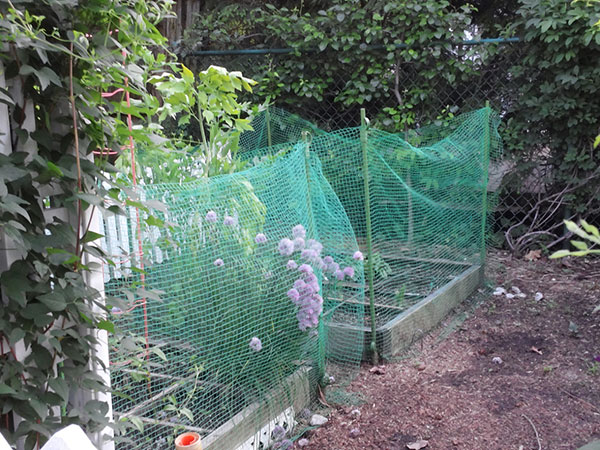
Use 1/4-inch wire mesh to make a cage or trellis around plants. Put 6 inches of mesh into the ground to keep rats from digging under it.
-
Cover flower beds with wire mesh that is laid out on the ground around the plants. Secure edges with landscape staples.
-
Wrap ripening fruits individually in breathable paper or mesh bags. This prevents rats from directly accessing the fruits.
Deter Rats from the Area
-
Sprinkle used kitty litter, hair clippings, or ground black pepper around plants. Rats dislike the scent and texture. Reapply after watering.
-
Place pans of ammonia-soaked rags around the perimeter of planting beds. The strong odor drives rats away.
-
Use battery-powered ultrasonic pest repellers. The high-frequency sound waves irritate rats and cause them to avoid the area.
Remove Food Sources
-
Pick ripe tomatoes immediately and don’t allow fruits to rot on vines. Rotting produce attracts rats.
-
Remove fallen fruits, mulch, and debris where rats can hide. Provide them no shelter.
-
Eliminate outdoor food sources like pet food, bird feeders, and unsecured compost piles.
-
Set up bait stations (away from plants) using rodenticide baits to trap and kill rats. Check and replace bait frequently.
Protect Young Seedlings
-
Start seedlings indoors and transplant larger plants outdoors. Rats usually leave larger plants alone.
-
Use plastic bottles with bottoms cut off as mini-greenhouses over seedlings. Remove once established.
-
Sprinkle flour in a ring around seedlings. Rats dislike walking through flour and will avoid it.
When All Else Fails, Call in Reinforcements
If rats persist despite your best efforts, it may be time to call in the professionals. A pest control service can:
-
Identify entry points and rat runways.
-
Set out locked bait stations with more powerful rodenticides.
-
Use advanced tools like tracking powder and night vision cameras to monitor rats.
-
Seal up holes and gaps in fences, structures, and the garden perimeter.
-
Provide follow-up maintenance to ensure rats don’t return.
While the upfront investment can seem high, having a professional service finally eliminate your tomato-stealing rats may be worth the cost.
Protect Your Tomato Crop and Enjoy the Fruits of Your Labor
Don’t let tomato-loving rats discourage you from growing this delicious home garden staple. With the right barriers, deterrents, and control methods in place, you can outsmart these persistent pests. Employ two or more of the techniques described, and be vigilant about picking ripe fruits quickly. With some perseverance, your well-protected tomato plants will reward you with a bountiful harvest.
Re: How to stop rats eating my tomatoes?
Welcome to the Bunnings Workshop community. Its fabulous to have you join us, and thank you for sharing your question about protecting your tomatoes.
I think the gap between the bird-proof mesh is still too big, letting the rats get through. There could also be a weak point somewhere along the bottom of the mesh that the rats are using as an entryway into the garden. My first suggestion is to inspect the entire area and see if there has been damage to it or there is a gap underneath thats allowing the rats to pass through.
If the mesh is intact there might be a tree branch or fence panel that the rats are using as a bridge to get in. If after checking thoroughly that there is no weak spot, I suggest taking the next step and that is to create an individual mesh cage for the tomato plant. I suggest using Whites 90cm x 5m x 6.5mm x 6.5mm Mouse Mesh. Its designed to prevent vermin access and is hot dipped galvanized to withstand the weather.
Ive placed a sample below to give you an idea of how to build it. Youll need pliers and a Whites 0.70mm x 75m Wirepak Galvanised Tie Wire to stitch the ends together. I suggest using Whites Heavy Duty Pins – 10 Pack to keep the cage anchored to the ground. Please make sure to wear gloves and safety goggles when cutting and building the wire cage.
If you need further assistance, please let us know.
How to stop rats eating my tomatoes?
- Subscribe to RSS Feed
- Mark Topic as New
- Mark Topic as Read
- Float this Topic for Current User
- Bookmark
- Subscribe
- Mute
- Printer Friendly Page
Keep Rats and Squirrels Out of Your Tomato Garden
FAQ
How do I keep rats from eating my tomato plants?
Around a plant or pot, you can put up chickenwire, plastic mesh fencing, or light bird netting that you can get at garden centers.
What animal is eating my tomatoes at night?
Several animals might be eating your tomatoes at night. Common culprits include squirrels, chipmunks, and groundhogs. If you’re seeing damage on higher-up tomatoes, birds are also a possibility.
How to protect a vegetable garden from rats?
Fencing: Install a sturdy fence around your garden. Use hardware cloth with a mesh size of 1/4 inch to prevent entry. Row Covers: Use floating row covers to protect young plants. Snap Traps: Place snap traps in areas where you’ve seen signs of rat activity. Bait them with peanut butter, seeds, or dried fruits.