
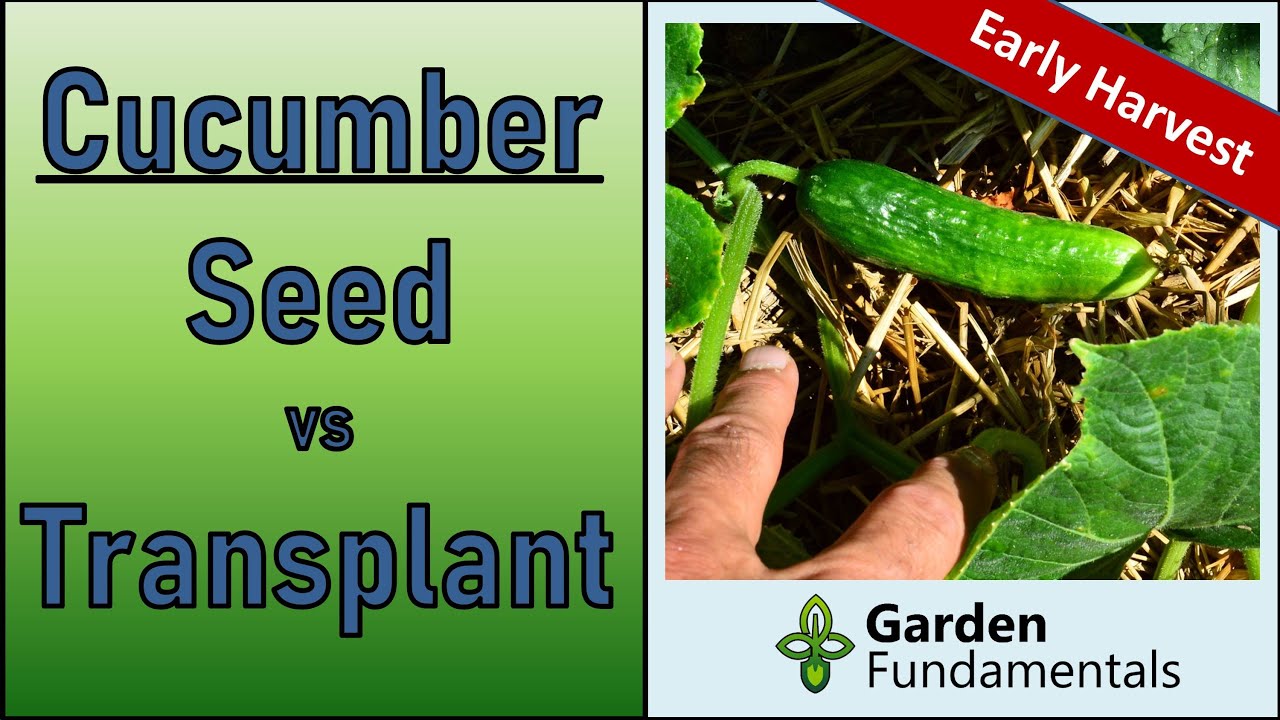
Growing juicy, crisp cucumbers is a goal for many gardeners. But an important decision must be made early on – should you direct sow cucumber seeds or start them indoors and transplant? Both methods have pros and cons, and the best approach depends on your specific climate and gardening goals. This comprehensive guide examines direct sowing vs. transplanting cucumbers to help you make the right choice.
An Overview of Direct Sowing and Transplanting Cucumbers
When you direct sow cucumber seeds, you put them right into the garden bed where they will grow and bear fruit. This easy-to-follow method lets the cucumber roots grow without any interference. Starting seeds outside takes less time, work, and supplies than doing it inside. Direct sowed plants also acclimate better to local growing conditions.
Transplanting means starting cucumber seeds indoors, taking care of the seedlings in pots, and then moving the young plants outside when the weather is right. This gives transplants a size advantage and keeps them safe from cool temperatures that could hurt plants that were planted directly. However, transplanting is more work, and transplants may experience shock when they are moved to the garden.
Neither approach is inherently “right” or “wrong” – weigh the unique benefits and drawbacks of each to decide which suits your specific gardening needs and situation.
When is Direct Sowing Best for Cucumbers?
For many people who garden at home, planting cucumbers directly is the easiest way to do it and works very well. Here are some situations where direct sowing excels:
-
In areas with a long growing season – Plants have plenty of time to mature directly sown cucumbers. A head start isn’t necessary.
-
When growing small amounts – For a few plants, it’s easy to sow seeds right in the ground without starting seedlings.
-
For easier varieties – Less fussy cucumbers, like slicing types, transplant well if carefully handled.
-
Cost savings – Starting just a few plants from seed is cheaper than buying transplants.
-
Earlier harvests – Direct sown cucumbers often produce sooner than transplants.
-
Disease prevention – Avoiding indoor seed starting prevents issues like damping off disease.
-
In organic gardens – Direct sowing suits organic methods well since plants are never disturbed.
-
For novice gardeners – Those with less experience may find this method simpler to begin with.
If you live in a place with a long growing season, garden organically, or just want things to be easy, direct sowing is probably the best way to grow your cucumbers.
When Does Transplanting Cucumbers Make Sense?
While direct sowing works for many situations, transplanting cucumbers offers some distinct benefits:
-
In short seasons – Transplants mature faster when the outdoor growing period is very brief.
-
With cold weather – Seedlings can be started until soil warms enough for cucumbers.
-
For earliest harvests – 4-5 week old transplants get a jump start over direct sowing.
-
To maximize space – No wasted seeds or guesswork when starting one plant per cell or pot.
-
For winter gardening – Transplants extend harvest into winter in some mild climates.
-
With unreliable weather – Transplants provide flexibility if direct sowed plants would be vulnerable.
-
For busy gardeners – Those short on time may find it worth purchasing partly grown transplants.
-
For heirloom varieties – Temperamental heirlooms transplant best when expertly handled.
So for those seeking the earliest possible harvest, dealing with a short growing window, or wanting maximum control, transplanting cucumbers could be the smartest choice.
How to Direct Sow Cucumber Seeds
Ready to try direct sowing cucumbers? Follow these tips:
-
Wait for warm soil – Cucumbers need consistent 60°F+ days and nights to sprout well.
-
Prepare soil – Mix compost or aged manure to create fertile, well-draining soil.
-
Plant 1-2 seeds per spot – Sow seeds 1/2 to 1 inch deep and 12-24 inches apart in rows or hills.
-
Water gently & consistently – Keep soil moist but not soaked for good germination and growth.
-
Thin seedlings – Leave one plant every 12-18 inches when they have 2-3 true leaves.
-
Add supports – Install trellises and cages when plants are small for vining varieties that need support.
-
Use row covers (optional) – Row covers boost growth but remove when female flowers appear for pollination.
-
Follow best practices – Adhere to spacing, care, and watering guidelines for your chosen varieties.
With proper soil prep, planting, and care you’ll have an abundant direct sown cucumber harvest!
How to Transplant Cucumber Seedlings Successfully
Want to try growing cucumber transplants? Follow these key tips:
-
Start seeds in biodegradable pots – Avoid plastic containers that can stunt root growth.
-
Grow indoors at 70-80°F with 14+ hours of daily light.
-
Harden off plants – Gradually acclimate to outdoor conditions over 7-10 days before transplanting.
-
Transplant on an overcast day – Cooler weather prevents wilting and distress.
-
Dig holes the depth of the root ball – Cucumber stems and roots are delicate, handle with care!
-
Bury stems up to seed leaves – This allows plants to root deeply and establish quickly.
-
Water thoroughly after planting – Prevent drying out while new transplants are vulnerable.
-
Provide shade – Filter sun for a few days using covers, shade cloth or shingles.
-
Monitor closely – Be prepared to replace struggling transplants to ensure success.
Transplanting cucumbers takes extra care and attention but allows for earlier harvests in some situations.
Choosing the Best Method for Your Garden
Determining whether to direct sow or transplant cucumber seeds requires weighing your specific climate, growing needs and gardening goals. There’s no universally “best” technique – simply choose the approach that makes the most sense for your unique situation. With smart practices for the method you select, you’ll be harvesting bountiful cucumbers come summer!
Frequently Asked Questions
Can you direct sow cucumbers?
Yes, direct sowing cucumber seeds into the garden soil is a very common and effective technique. It saves time and effort compared to starting seeds indoors and transplanting.
When is the ideal time to direct sow cucumbers?
Cucumbers should be direct sown after the last frost date once soil temperatures reach at least 60°F. This is usually in late spring or early summer. Check local frost dates and use a soil thermometer.
What are the benefits of transplanting vs. direct sowing cucumbers?
Transplanting offers more control, earlier maturity, and flexibility but requires more work. Direct sowing is simpler, cheaper, with less transplant shock, and may give earlier harvests.
How do you prepare soil for direct sowing cucumbers?
Loosen soil, remove weeds/debris, mix in compost or manure, ensure good drainage, and create consistent moisture before sowing seeds 1/2 to 1 inch deep.
Can cucumbers be direct sown in containers?
Yes, cucumbers can be successfully direct sown in containers or raised garden beds. Use well-draining potting mix, sow 1-2 seeds per container, and thin to 1 plant per container once sprouted.
Best Plants to Plant by Seed Directly in the Garden:
*disclosure: links below are affiliate links, which means if you click through and make a purchase, I will receive a commission. View full disclosure and privacy policy at the bottom of this page.
While some plants are best planted in your garden as transplants, some either cannot be transplanted successfully at all or they will not thrive when having to switch homes. Some will get used to a transplant, but direct-seeded plants catch up pretty quickly because they don’t have to “regroup” as much during their growth because of transplant shock. Here are the plants I recommend you plant from seed directly in the garden.
Bean plants do not like to be moved. Their shallow, sprawling root system wants to get started in their permanent home. Besides, you’ll have to plant more bean seeds than you could ever move, even in a small garden.
Peas, also a legume, prefer a permanent home at their start. I have, however, seen more experienced gardeners start peas indoors and transplant them with care. When they do, they use peat pellets to help the acclimation to the final home.
Personally, though, because peas can germinate at lower soil temperatures, I recommend planting them directly in the soil. But if your climate prevents this (maybe you still have snow on the ground when the seeds need to be planted, starting indoors might be an option. (Click here to purchase peat pellets for a more successful start.)
Tomatoes, Peppers, and Tomatillos
Tomatoes, peppers, and tomatillos require warm temperatures. If you wait until the soil warms up sufficiently in the garden to plant the seeds, they will not have time to grow and produce a good harvest. This is especially true for shorter-season climates. Those of us with long seasons could possibly get away with planting tomato seeds in the ground, but who wants to wait that long until the harvest? Plus, when summer temperatures rise in the 90s, most tomato plants stop setting fruit.
It’s best to get tomatoes, peppers, and tomatillos an early start inside and transplant them in the garden when the weather warms.
Many beginners choose to purchase these transplants at the garden center, though now I start all of mine inside.
Broccoli and cabbage are tricky crops for the beginning gardener. The short spring and fall seasons in the south make it hard for these plants that like cool weather and grow slowly.
When I naively sowed broccoli and cabbage seed directly in my garden — either in a spring or fall planting — they never had time to grow until the season changed.
For these reasons, it’s best to plant broccoli and cabbage as transplants in the garden at the proper time. You can purchase transplants at the garden center or start them inside.
Though strawberries can technically be planted from seed, they will take a long time to grow. I tried once with no success, even starting inside with controlled conditions.
But the bigger reason, I think, to plant strawberry crowns (transplants) lies in the wait to harvest. Strawberries won’t start bearing a full crop until the second season, and planting them from seed will delay your harvest even longer.
You can purchase strawberry transplants at a garden center (a more expensive option) or look for bare root transplants at a garden center. Get tips for growing strawberries here.
Herbs are staples in my kitchen garden, and I’ve grown them with varied success throughout the years. Some, like basil and dill, are easily started from seed, but beginning gardeners will find better success planting them as transplants.
The reason? Not only to most herbs planted from seed grow slowly, but the seeds are also extremely slow to germinate. If you plant them directly outside, you’re less likely to tend to them and ensure they’re watered every day. If you grow them inside, you may have more success, though it’s still a long wait.
Other herbs like rosemary are reproduced through cuttings so you’ll have to purchase a transplant anyway. But once you do, unless you’re in an extremely cold climate, you’ll have rosemary for years.
Unless you’re growing an entire kitchen herb garden, which could get expensive to purchase all transplants, I recommend beginners start with transplants for all their herbs, with the exception of basil and dill.
Though veteran gardeners will recommend planting onions from seed, onions require a very long seed starting period. I plant some of my onions from seed, and I start them indoors several months before my average last frost.
Unless you’re willing to babysit these baby plants for a long period of time, you’re best served by planting these as transplants. More on growing onions here.