
People often grow aster, which is also called false goat’s beard, as a perennial plant that can add a beautiful splash of color to gardens. With its feathery, fern-like leaves and showy plume flowers that bloom in the summer, it’s no surprise that astilbe is a garden favorite. Astilbe can also be grown successfully in containers, as long as the right conditions and care are taken.
Choosing a Container
It’s important to choose a pot for astilbe that is big enough to hold the plant’s roots. Find a pot that is at least 16 inches wide and 12 inches deep for one astilbe plant. Shallow pots will restrict root growth. Make sure the bottom of the container has holes for drainage so the soil doesn’t get soggy. Planters made of terracotta or wood are good choices because they let air reach the roots.
Choose a wider pot if you want to plant more than one astilbe in it, and leave 6 to 12 inches between each plant, depending on the variety. Planting too close together can lead to rot and disease, so put the potted astilbe somewhere in the shade or partially shaded that will keep it out of the hot afternoon sun.
The Right Soil Mix
A quality potting mix is essential for growing healthy astilbe. Purchase a commercial potting soil or create your own mix by combining organic materials like peat moss compost perlite and bark chips. The soil should have excellent drainage but still retain some moisture. When planting, fill the container to about 2 inches below the rim to leave space for watering.
Planting and Care
Spring and fall are the best times to plant astilbe in containers. Avoid planting in summer when pots will dry out quickly. Thoroughly water the soil after planting and keep it consistently moist while plants establish roots. After a few weeks, water whenever the top 1-2 inches of soil become dry. Astilbe prefers evenly moist soil – take care not to overwater or let pots completely dry out.
During the growing season, feed potted astilbe with a water-soluble fertilizer every two to four weeks. Stop fertilizing in fall as astilbe goes dormant. As the clumps get too big for their pots, division may be needed every couple of years. Re-pot in early spring, dividing root balls and planting the pieces that were cut out.
Ideal Growing Conditions
Astilbe thrives in partial shade or dappled sunlight. Too much hot sun will cause foliage to burn or blooms to fade. Morning sun is acceptable, but provide afternoon shade. Temperatures between 60-75°F are ideal. Pots can be moved around as needed to ensure astilbe receives its preferred growing conditions.
Winter Care
Caring for astilbe in pots over winter takes some extra protection. The freeze/thaw cycles of containers are hard on roots. If possible, sink the pots in the ground and mulch well for insulation. Otherwise, store in an unheated garage or shed once they have gone dormant. Water sparingly, only if soil is very dry. Those in zones 5 or warmer may be able to leave pots outside if they are in a sheltered location.
Growing Indoors
It is possible to grow astilbe as a houseplant but plants will need a very bright window providing at least 4-6 hours of direct sun daily. Lack of adequate light may result in leggy, weak growth and no flowers. Cool temperatures between 60-70°F are ideal. Monitor soil moisture closely in indoor conditions and water when the top inch becomes dry. Humidity trays or a pebble tray can help increase humidity around the plants.
Tips for Success
- Deadhead spent flowers to encourage prolonged bloom.
- Staking taller varieties prevents flopping.
- Group plants together for better color impact.
- Avoid wetting foliage when watering to discourage disease.
- Mix in compost or organic fertilizer when re-potting.
- Monitor new plants closely until established.
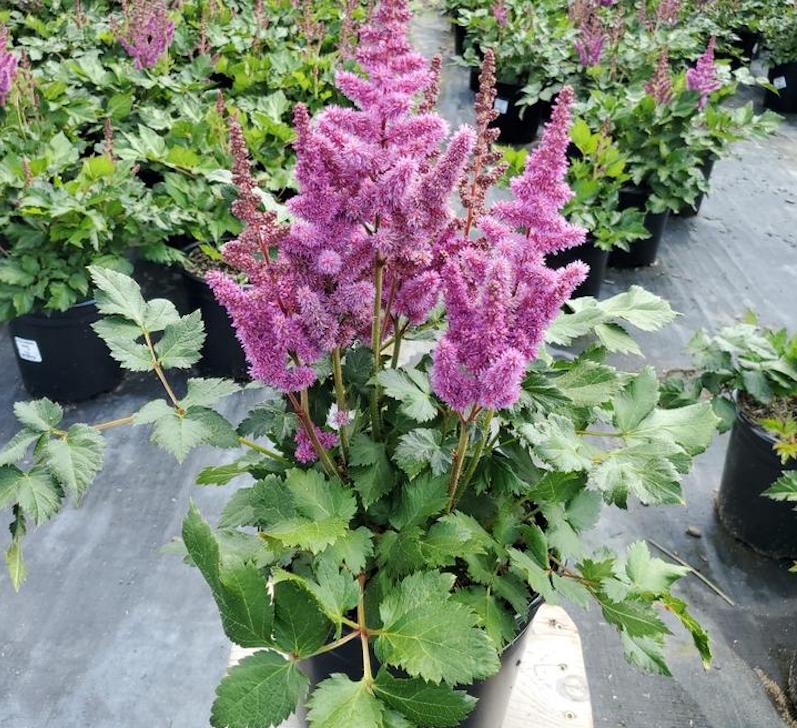
Best Soil For Astilbe in Pots
For astilbe, you can select a commercial potting mix of high quality or make your own. To do so, you can mix organic material like peat, compost, bark chips, and perlite.
Planting Astilbe in Pots
If you want to grow your new astilbe in a pot, make sure you get one that is big enough for it to grow in. You should select a container that has a minimum of 16 inches in width and about 12 inches in overall depth. Make sure to get one with drainage holes. A container of this size will hold just one astilbe – do not try to squeeze in two. Furthermore, even though any material will suffice, terra cotta or wooden planters are preferred simply because they allow for better overall circulation. Make sure to place your container in an area in which your perennial can benefit from partial shade.
The best time of year to plant your perennial is either during spring or autumn. Planting in the summer should be avoided because your astilbe will be much more likely to dry out.
Can You Grow Astilbe In Pots?
FAQ
Where is the best place to plant astilbe in pots?
Where to grow astilbes. Astilbes need to grow in a dappled or part shady location in moisture retentive soil to thrive.
Does astilbe do well in containers?
Yes, Astilbes make excellent container plants as long as you don’t let them dry out. Choose a generously sized pot and fill it with high-quality potting soil that is designed to hold moisture.
How to keep astilbe blooming all summer?
Asters will bloom all summer long if they have the right conditions, which include some shade, steady moisture, and regular feeding with a balanced fertilizer. While deadheading doesn’t encourage repeat blooming, removing spent blooms can improve the plant’s appearance.
Do astilbes like sun or shade?
Most aster plants do better in part to full shade, but some types can handle full sun, especially in cooler areas. In warmer climates, full sun can scorch their foliage, so shade is often preferred.