
Goutweed also known as bishop’s weed or snow-on-the-mountain is an invasive perennial plant that can quickly take over gardens and landscapes. Native to Europe and parts of Asia, goutweed was introduced to North America as an ornamental plant. With its attractive white flowers and lush, variegated foliage, it can provide nice groundcover. However, goutweed spreads aggressively via underground rhizomes and can displace other plants. Getting rid of goutweed takes time and diligence, but it can be done through various mechanical and chemical control methods.
Identifying Goutweed
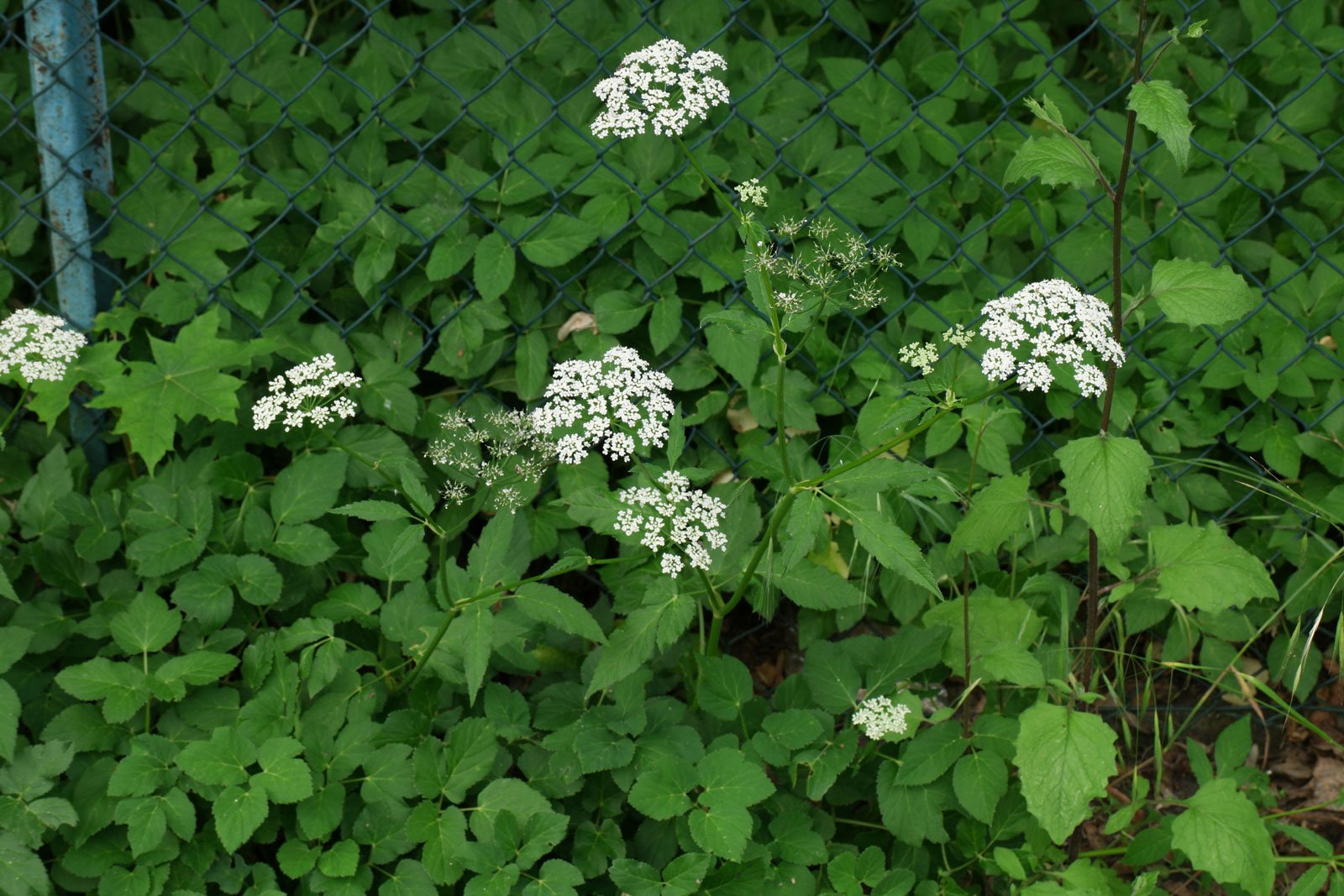
Goutweed is a member of the carrot family and has characteristic parsley-like leaves that are divided into three leaflets The leaves are typically bluish-green with serrated edges, but variegated varieties have white margins Goutweed forms a dense mat of foliage 6-8 inches tall and spreads by fleshy underground rhizomes that can extend 8 feet or more in all directions.
In late spring, goutweed grows flower stalks that are one to three feet tall and have umbrella-shaped groups of small white flowers on top. It does best in wet, partly shaded spots, but it can handle a variety of light and soil conditions. Goutweed pushes out native plants, and its thick roots hurt the health of the soil. It is banned as an invasive plant in some U. S. states.
Removing Goutweed by Hand Digging
For small patches, repeatedly digging up all roots and rhizomes is effective. Use a shovel to dig at least 6 inches below the rhizome mat and 12-18 inches beyond visible growth. Remove and discard all roots and soil. Monitor for regrowth, digging up any resprouts. This labor-intensive method works best for small areas. Be extremely thorough since any remnants left behind will resprout.
Smothering Goutweed
Goutweed can be stopped by covering large areas with tarps or heavy black plastic. This stops the plant from growing by blocking light. Hold the edges down and cover for at least one growing season. Any roots and rhizomes that are still there will have to be dug up. This works less well than getting rid of the whole plant, but it can help control big infestations when digging isn’t an option.
Repeated Mowing
Frequently mowing or cutting back goutweed to ground level can help weaken it over time by preventing photosynthesis. Use a mower on the lowest setting to cut any foliage twice weekly and prevent regrowth. This won’t kill goutweed but can slow its spread. Follow up by digging or smothering to finish eradicating.
Flame Weeding
A propane torch can be used to burn back goutweed foliage to ground level. Repeatedly torch any regrowth to starve the roots until the infestation is under control. This is less reliable than digging but avoids herbicides. Combine with digging and mowing for best results. Take safety precautions when flame weeding.
Herbicides
Non-selective herbicides containing glyphosate are effective at killing goutweed. Treatments will likely need to be repeated over one or more growing seasons. Be cautious of harming desired plants. Always follow label directions. Vinegar-based herbicides provide organic control but typically require repeat applications.
Prevention and Alternatives
Avoid planting goutweed, even variegated forms. Choose native groundcovers like golden alexanders or Canada anemone instead. Control new invasions quickly before they spread. Combining digging, mowing, smothering, and herbicides provides the best chance of eradicating goutweed. Be persistent and expect the process to take time. Stopping goutweed from establishing is much easier than removing established infestations.
It takes work to get rid of invasive goutweed, but it is possible with a mix of control methods. Herbicides, hand digging, mowing, smothering, and torching can all be used to get rid of goutweed. Using several techniques together provides the best chance of success. Keep at it and don’t leave small areas alone; goutweed can quickly get out of hand if you don’t. You can take back your landscape from this annoying invader if you work hard.
The problem with ground elder
Early spring shoots and roots of ground elder, Aegopodium podagraria. The roots spread quite shallowly horizontally beneath the soil surface and can regenerate from the tiniest fragment.
Unfortunately, ground elder spreads by underground rhizomes, horizontal roots with shoots, that spring up creating a dense mat that blocks out many plants of the same size. Eventually it will kill other perennials by taking light, water and nutrient, creating a monoculture of less value for wildlife and less interesting for us. It is a vigorous grower that will shoot from the tiniest bit of root and spreads rapidly.
Join my weekly newsletter for organic gardening tips
It grows between the roots of other plants making it hard to remove from between them. In general, I wouldn’t put this plant in your garden or the main part of your garden if you have a bigger space. If you love ground elder to bits, by all means grow it of course.
Update: 16 September 2022
Above ground, the patch doesn’t seem to have grown much bigger this summer. So far, hoeing off new shoots around the patch has seemed to keep it in check. The Tagetes minuta (Mexican marigold) has had no impact whatsoever. During very dry patches of summer the ground elder noticeably wilted before any other plant, suggesting it will struggle and potentially become less of a pain in future years. But watch out for other plants taking its place that love the drier conditions!.
How to remove Ground Elder – Bishops Weed – Goutweed (Aegopodium podagraria) using SoilWand
0