
Installing a window bird feeder is a great way to bring nature right up to your window for easy bird watching. When set up properly, window feeders allow you to get up close and personal with birds feeding just on the other side of the glass. However, it may take some time and effort before birds find and start regularly visiting a new window feeder. Here are some tips to get birds coming to your window feeder quickly and reliably.
Choose the Right Location
When putting up any kind of bird feeder, even window feeders, the best place to put it is very important. You should hang your feeder somewhere that makes sense for birds and is safe for them:
-
Near natural shelters like trees or shrubs. Birds will use these places to hide from dangerous animals and take a break between meals. They won’t have to go far to get to your feeder if you put it close by.
-
Out of reach of predators. Cats, squirrels, and other animals shouldn’t be able to get too close to the feeder and mess it up.
-
Not too close to noisy areas. A lot of noise from TVs, radios, machines, and other things can scare birds away.
-
On a window with a good view. An unobstructed view lets you easily see visiting birds. Avoid windows with decorative films or coverings that could block your view.
Take some time to observe bird activity and movement patterns in your yard to determine the optimal window and location. Installing multiple feeders in different spots around your home can also help attract more birds overall.
Offer Preferred Foods
Different species have different dietary preferences. Offering foods that birds in your area seek out will make your feeder more enticing.
-
Black oil sunflower seeds attract the widest variety of birds. Most seed-eating species like cardinals, finches, chickadees, nuthatches and more enjoy them.
-
Nyjer seed is a top pick for finches. The small size allows them to easily nibble this nutrient-dense food.
-
Fruit, jelly, and nectar appeal to orioles and hummingbirds.
-
Suet provides energy-boosting fats that insect-eating birds like woodpeckers relish.
Don’t forget about water! Installing a birdbath or other water source nearby gives birds more reason to visit your yard.
Start With Other Feeders Removed
If you already have feeders set up elsewhere, take them down temporarily when first installing your window feeder. This forces birds to investigate the new feeding station for their daily meals. Once your window feeder has a steady stream of traffic, you can put the other feeders back up.
Allow Time
Be patient. It takes time for birds to discover new food sources. It may take days or weeks before you see your first visitor. But the more often you keep the feeder stocked with fresh food, the sooner birds will find it. Avoid letting it sit empty, as birds are likely to give up on unreliable food sources.
Keep It Clean
Birds prefer feeding from clean surfaces. Give your window feeder a good scrub and dry before initially hanging it. Then be sure to clean it regularly with hot water and a weak bleach solution. Discard old food and nectar, scrub away buildup, and rinse thoroughly. Also replace nectar every few days in warm weather when it sours faster.
Use Strategic Placement of Other Items
You can spur initial interest in your window feeder by carefully placing other items nearby:
-
Try hanging ribbons or shiny pie pans from trees and branches around the feeder. Movement catches birds’ attention.
-
Set up decoys, like plastic owls or rubber snakes. Birds will come investigate if they perceive a threat.
-
A birdbath or water feature gives birds another reason to check out your yard.
Once birds find that these items are harmless, they may be comfortable returning to eat.
Add Shelter and Perches
Birds like having places to perch and take shelter from the elements and potential dangers. Providing cover via trees, shrubs, or a purpose-built shelter roof above your feeder is ideal. You can also look for window feeders that incorporate perches right into the design so birds can rest comfortably while eating.
Use Feeders With Large Capacity
Avoid frustrations from constantly refilling by selecting a window feeder with generous capacity. Larger feeders that hold multiple pounds of seed or several ounces of nectar require less frequent attention. You’ll attract more birds with a consistently filled feeder.
Apply Decals to Prevent Collisions
Window collisions are a risk for birds. To help prevent injury, apply decals or use tape to create visual markers on the window glass around your feeder. This alerts birds to the solid surface. Placing your feeder well off to the side also cuts down on potential mid-air collisions.
Be Patient!
It bears repeating – be patient! In some cases it may take weeks or even months for birds to warm up to a new window feeder. But the payoff of having gorgeous birds right outside your window makes it worth the effort.
With the right setup and a little perseverance, your window feeder will soon become a popular bird hangout. Observing their antics and feathered beauty up close is an unbeatable experience for any nature lover. So get your window feeder ready to attract feathery friends!
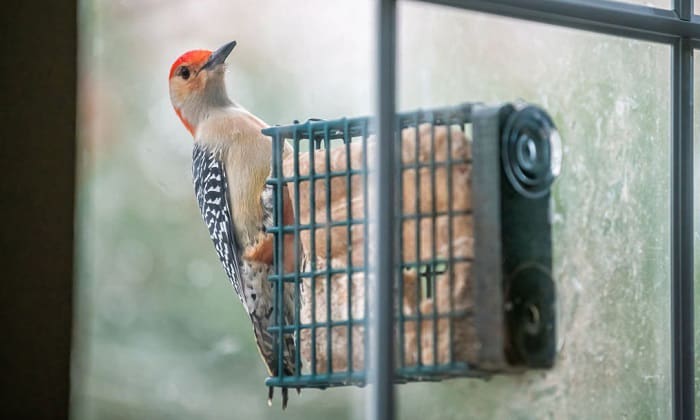
Feed Up, Close, & Personal
To get the most out of your window feeders, there are ways that you can make them more attractive to the birds. Here are some ways that will help bring the birds you want to see, right to your window!.
- Bird baths: Birds are always on the lookout for water because they need it to drink and bathe. Birds will be drawn to a birdbath near your house and feeder, which could lead them to your feeder. Remember that moving water is even more alluring to birds!.
- Take down other feeders—You might need to temporarily take down the other feeders in your yard to draw attention to your new one. You can put the other feeders around your yard back up once the birds have found and become used to the window feeders.
- Protect the feeder—When you put up your window feeder, make sure it is securely attached to the window. If a bird tries to land on it and it moves, the bird might not try again. Before you can hang a window feeder securely, you should clean your window really well. After cleaning the feeder, put it on the glass and wet the suction cups with water or vegetable oil. The moisture will help the suction work better, which will keep the feeder in place.
- Keep it Clean—Birds are drawn to clean, new feeding stations just like people are. It is important to clean your feeders often, especially when it is hot outside. Every time you clean, get rid of any seed or nectar that is still there. Nectar should be replaced frequently to prevent mold.
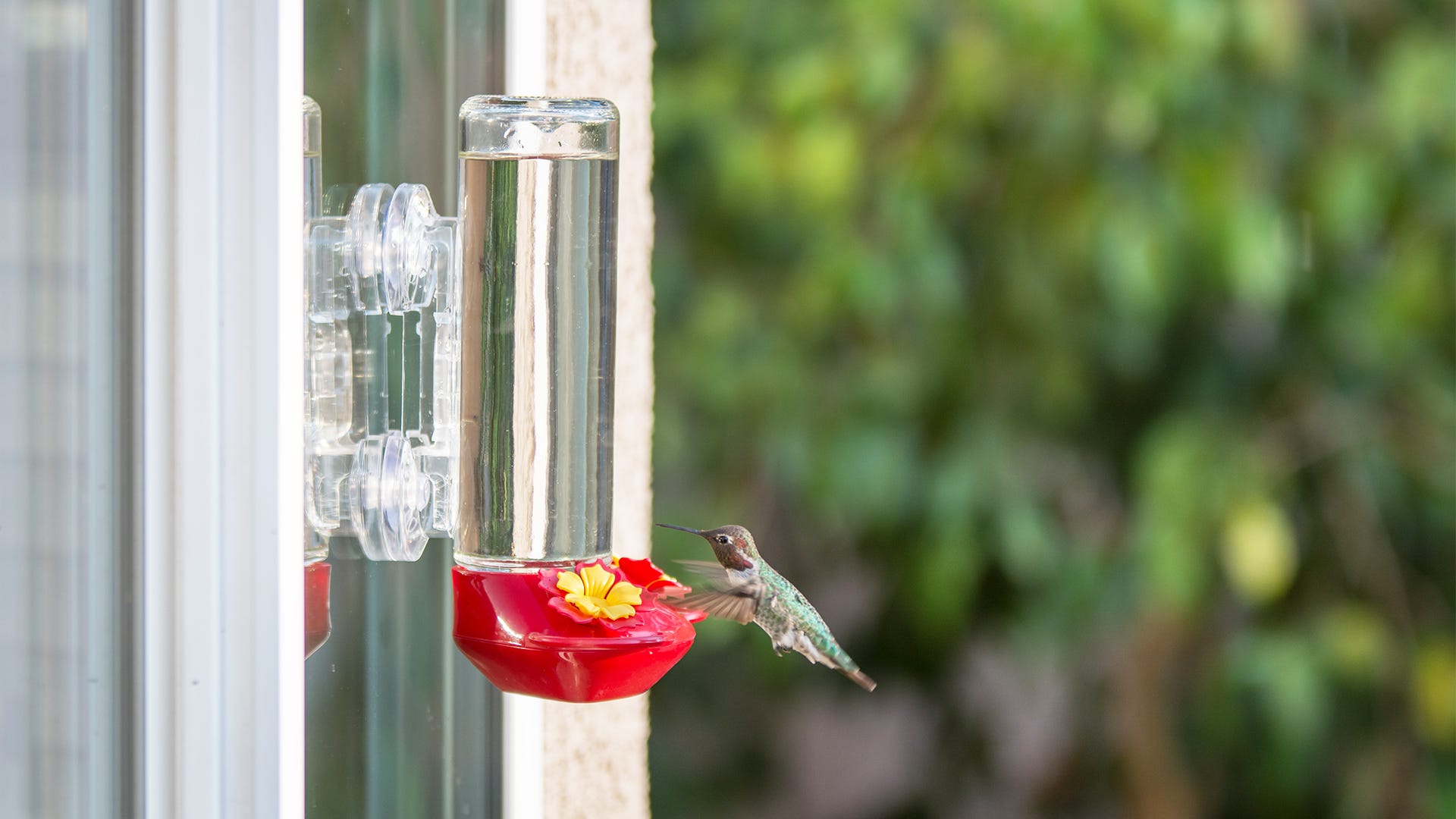
Where to Hang Your Window Feeder
Multiple windows may seem perfect for hanging a window feeder. However, you must consider the surrounding environment when choosing a window. Birds have quite a few natural predators. When you set up your window feeder, make sure it is high enough off the ground so that predators on the ground can’t reach it. Also, make sure there is enough space above the feeder for hawks and falcons to easily see it.
Also, it’s a good idea to place feeders closer to natural shelters like trees, shrubs, and other greenery. They fly to these spots to hide if they feel threatened, and they can also use them as a place to rest when they need to.
When choosing a location, select a room that doesn’t have constant activity. Loud noises and movements from indoors might scare away birds from testing out the feeder. Be sure to keep this in mind once the feeder is set up as well. Keep the room relatively quiet when sitting down to enjoy their sights. If there is a lot of noise coming from the other side of the window, birds may not stick around.
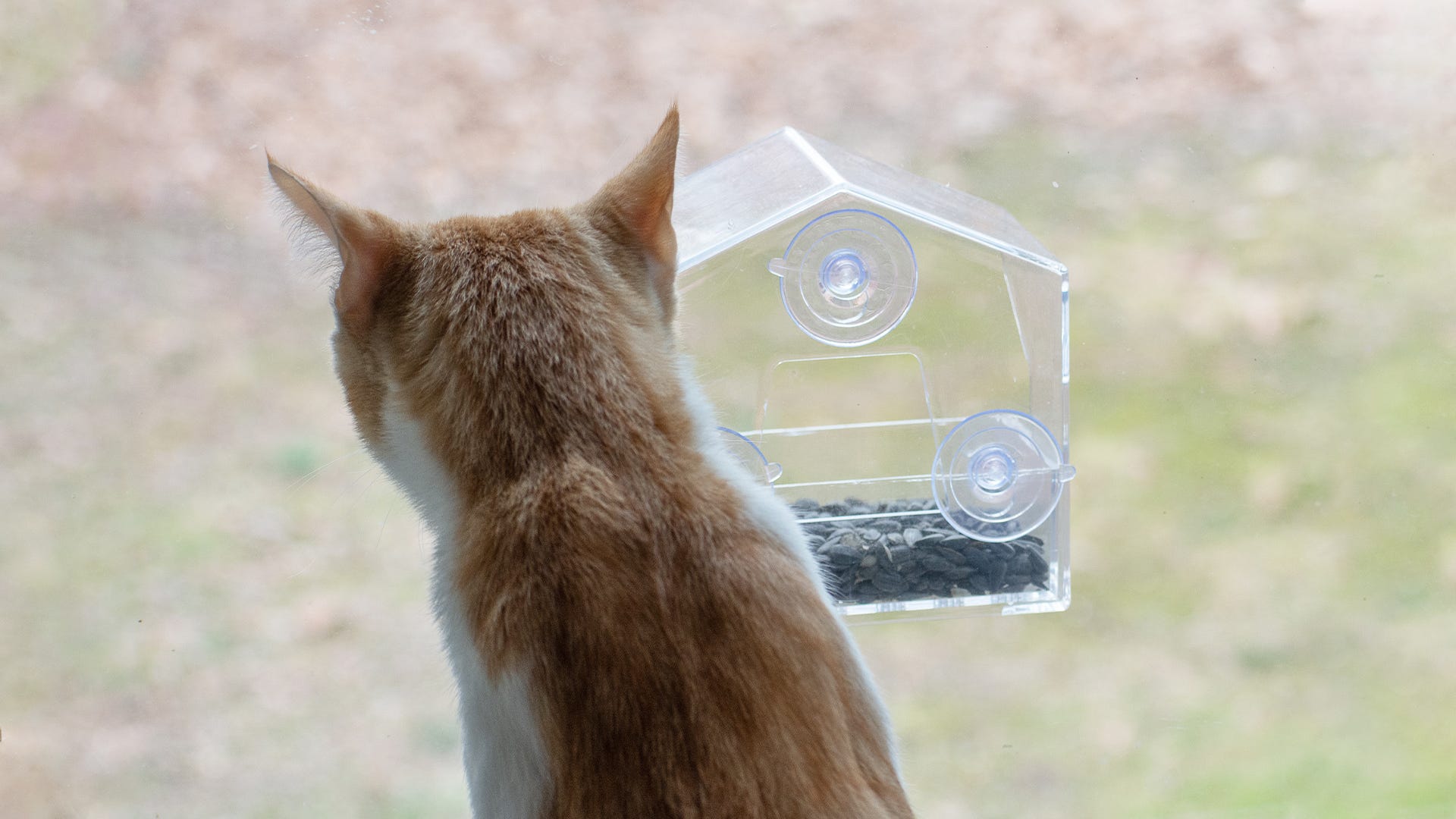
SIMPLE HACK To Encourage Birds To Visit Your WINDOW FEEDER
FAQ
How do I get birds to find my window feeder?
Birds will be drawn to a birdbath near your house and feeder, which could lead them to your feeder. Take down other feeders—You might need to temporarily take down the other feeders in your yard to draw attention to your new one. Remember that birds are even more interested in water that is moving.
How long does it take for birds to find a window feeder?
It can take anywhere from a few hours to several weeks for birds to discover a new window feeder.
What is the 5 7 9 rule for bird feeders?
What attracts birds to windows?
Reduce window reflection – Birds often strike windows because they see a reflection of clouds, sky or trees which gives the mistaken impression that they are ….