
Willow trees hold a special place in many people’s hearts. Because they can grow near water and have graceful, sweeping branches, they are well-known symbols of beauty and peace. Nobody else has ever thought about where they could find real willow trees to enjoy. This article will talk about the best places to find these beautiful trees, from gardens and parks to riverbanks and wetlands.
Understanding Willow Trees
Willow trees are in the Salicaceae family, which has about 400 different kinds of willows. These trees lose their leaves every year and are known for having thin, flexible branches and spear-shaped leaves. Willows like it when the ground is wet, and they often grow near bodies of water.
Some key facts about willow trees:
-
There are over 330 willow species including weeping willows, pussy willows and black willows.
-
They have lightweight wood that is often used to make cricket bats.
-
Willow branches root easily when planted in soil, allowing new trees to sprout.
-
Willow bark contains salicylic acid which is used to make aspirin.
-
These fast-growing trees can gain over 3 feet per year in height
Have you learned more about willow trees? Let’s look at some great places to find them.
Where Willow Trees Naturally Grow
Willows thrive in damp conditions near water sources. Here are some of their favorite natural habitats:
Rivers and Streams
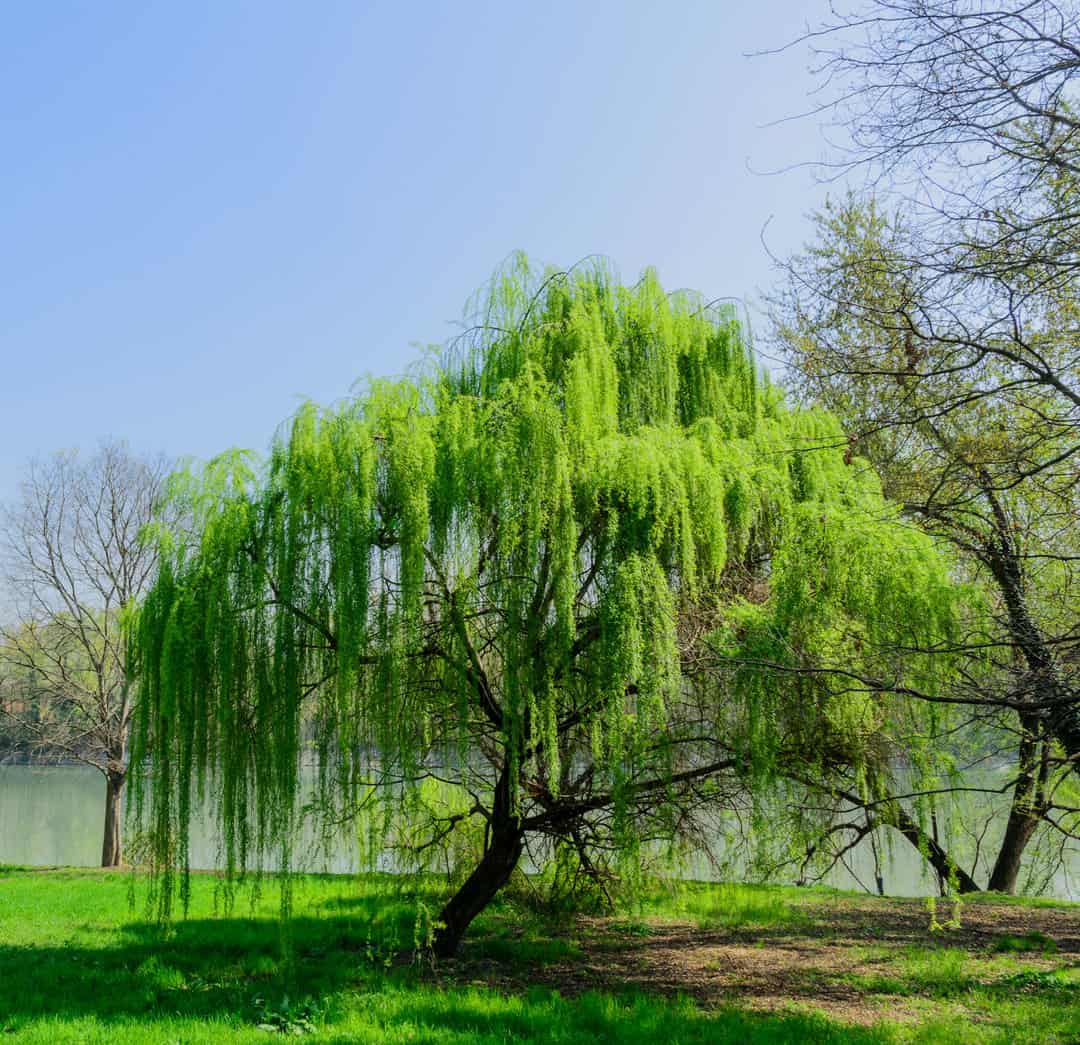
Willows love growing along moving water. Their extensive root systems help secure riverbanks and prevent soil erosion. Weeping willows gracefully sweep over rivers, while pussy willows and black willows also populate these areas.
Lakeshores
Along the edges of lakes and ponds, willow trees soak up excess moisture. Their shade provides a peaceful spot for fishing or picnicking by the water. Lakeshores allow willow roots to stretch out and obtain nutrients.
Marshes and Wetlands
Low-lying, wet areas are ideal willow habitats. They do well in marshes, swamps, and wetlands with high water tables and soggy soil. Spotting their cascading branches adds natural beauty to these landscapes.
Floodplains
Periodic flooding brings nutrients that nourish willow trees. Floodplains along rivers provide fertile ground. Once floodwaters recede, willows thrive in the moist earth.
Willow Trees in Urban Areas
Willow trees have become prized additions to many urban landscapes. Look for them in these public spaces:
-
Parks and Gardens – Weeping willows are frequently planted in city parks and gardens near water features. Their gracefully drooping branches and shade-giving canopy make them popular choices.
-
Botanical Gardens – Visit local botanical gardens to see diverse willow species labeled for easy identification. These facilities often have educational programs focusing on willow trees.
-
Along Streets – Some communities plant willows as street trees. Their rapid growth provides quick shade, and their strong roots prevent sidewalk damage. Proper pruning keeps their branches from overtaking streets.
-
Near Buildings – Office complexes or other buildings sometimes feature willows in surrounding yards or courtyards with water elements. Their tranquil presence creates an inviting atmosphere.
Tips for Locating Willow Trees in Your Area
You can improve your chances of finding beautiful willow trees by using these helpful tips:
-
Search for nearby nature preserves or wetland areas which likely contain willows.
-
Use apps like iNaturalist to view sightings of willow trees others have shared.
-
Look for riverside hiking trails where weeping willows may overhang the path.
-
Check for willow species at local plant nurseries or tree farms. Ask staff for recommendations.
-
Join gardening groups on social media and ask members for suggested spots.
-
Drive or walk around lakes and ponds after heavy rains when willows are lush.
-
Bring a tree identification book and focus on willow shape and leaf traits.
By exploring moist natural areas and leveraging handy resources, your willow tree search will pay off. Enjoy their graceful beauty!
Types of Willow Trees
There are more than 400 species of willow in the Salix family, from the classic Weeping Willow to dwarf willow trees perfect for compact spaces and more. Below are a few of the most popular willow varieties:
-
Weeping Willow – The classic image you think of when you hear “willow,” this tree features tall, sprawling growth and a graceful, weeping canopy.
-
Willow Hybrid – The Willow Hybrid grows fast and tall, with foliage that creates a dense wall of greenery. It’s a popular choice for natural privacy screens.
-
Corkscrew Willow – This unique willow tree features twisting, forked branches, for a whimsical and natural look. It has a more dwarf habit, growing 20-30 feet compared to the Weeping Willow’s 30-50 feet tall.
-
Dwarf Willow – If you need a truly dwarf willow tree, consider petite, colorful varieties like the Tri-Color Willow. These make statements in small spaces at just 8-10 feet tall.
Selecting Willow Trees for Your Landscape
The willow tree’s low maintenance, graceful growth make it a great choice for those looking to quickly add character and value to their property.
Willows are one of the fastest-growing shade trees, gaining up to 6 to 8 feet per year. When you order from a reputable nursery, you’ll receive trees with advanced root systems, making them strong and easy to grow.
When selecting willow trees for your landscape, consider:
-
Do you need a large tree for shade?
-
Are you looking for a hedge or privacy screen?
-
Do you need a dwarf willow tree for a compact area?
-
Do you prefer a soft, weeping look or uniform, upright form?
Whatever willow you choose, it will thrive in your landscape for years of beauty and enjoyment. Start your search today and soon you’ll be relaxing under the sweeping canopy of your own graceful willow tree.
Frequently Asked Questions
Where are willow trees usually found?
Willows occur worldwide, preferring wetlands, disturbed environments, and reclaimed areas. They help stabilize soils and provide wildlife habitat.
Where is the best location for willow trees?
The best place for willows is moist ground, like riverbanks. But they also make wonderful features in lawns, providing cool shade to relax under.
Do willow trees grow anywhere?
Willows are adaptable, growing nearly anywhere. Although they prefer moist soil near water, they tolerate some drought. They thrive in sun to partial shade.
What are some types of willow trees?
Common willow varieties include Weeping Willow, Willow Hybrid, Corkscrew Willow, and dwarf willows like Tri-Color. Each has unique growth habits and landscape uses.
How can I find willow trees near me?
Search parks, nature reserves, and botanical gardens. Use online maps and apps to find water sources where willows grow. Ask locals and check nurseries.
When is the best time to view willow trees?
Spring and summer are ideal, when willows display lush green foliage and cascading branches. Their fall color and winter form can also be striking.
With some targeted searching and handy tips, you can locate magnificent willow trees to enjoy in your own area. Admire their graceful elegance as they sway near the water’s edge.
Price RangeMinMax
- Less than $257
- $75-$1251
- More than $1251
Flower Color
Willow Trees are popular among landscapers and landowners alike, and are a favorite for those looking to add fast-growing beauty and privacy. Although there are over 400 species, the two most common and popular Willow Tree species in the United States are the Weeping Willow and the Willow Hybrid. The Weeping Willow provides fast-growing shade while the Willow Hybrid offers one of the few deciduous privacy screens available on the market.
Willow Trees belong to the Salix genus. Salicylic acid courses through the tree in the form of salicin, which has been cultivated to produce aspirin. Willow trees can grow to be 35 to 75 feet tall, but most of them stay around 50 feet tall. Willow Trees are adaptable to varying soil conditions, though most species rely heavily on sufficient water access. The Willow Tree species discussed here grow easily throughout most of the United States.
It can be a lot of work to plant a new tree or privacy barrier. You should do your research before you buy and plant a new tree. Different trees have different needs, and the careful landscaper will need to provide adequate soil composition, water access, and location qualities. Before deciding on and buying a Willow Tree, review the quick-facts and detailed specific information in the following sections.