
Thief ants, which are tiny red ants, are a common pest that can get into homes and be a bother. They don’t pose as much of a health risk as some other ant species, but they can make food and surfaces dirty and bite to protect their nests. It takes some time and effort to get rid of tiny red ants, but there are effective ways to control an infestation and keep the ants from coming back.
Identifying Tiny Red Ants
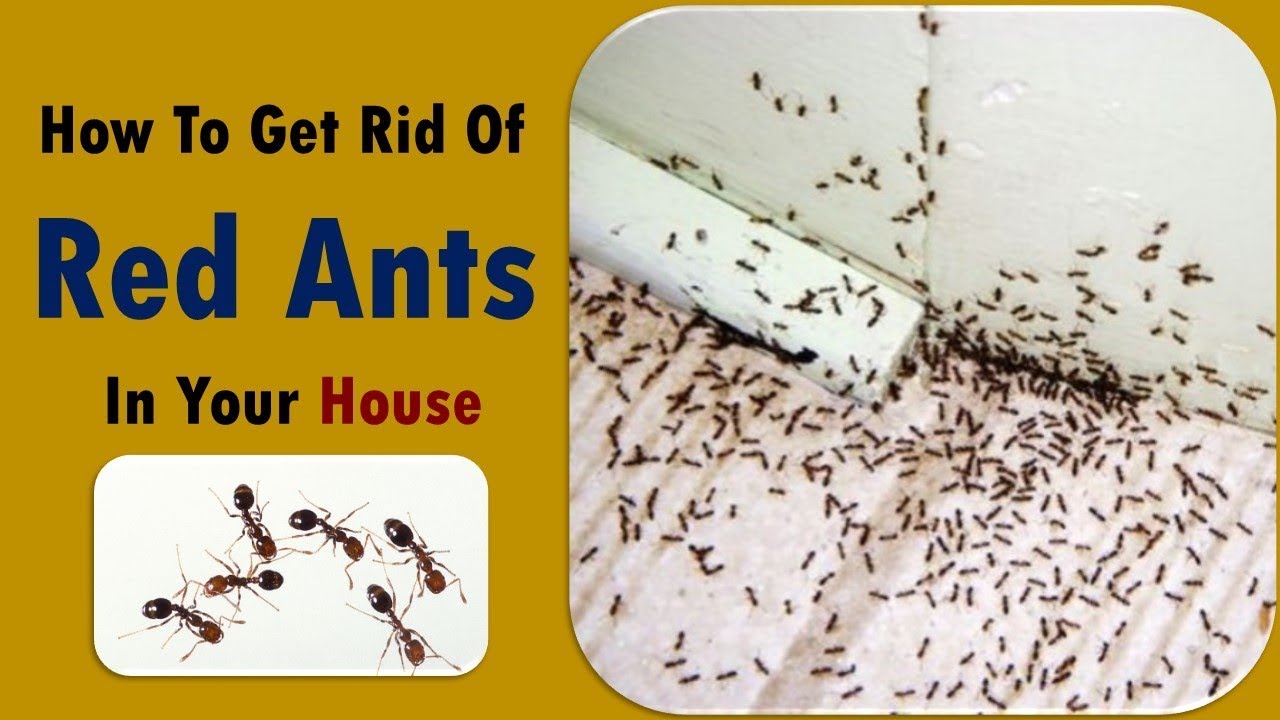
Tiny red ants are very small measuring only 1-2 mm in length. As their name suggests they have a red to reddish-brown coloration. Unlike some other ant species, they do not have a distinct node between their abdomen and thorax, giving them a rounded, uniform appearance.
Some key identifying features of tiny red ants:
-
Extremely small: No bigger than 2 mm, much smaller than black ants, carpenter ants, etc.
-
Reddish color Range from red to reddish-brown Legs and antennae are lighter
-
Erratic movements They move very quickly in an erratic pattern
-
Multiple queens: Colonies can have hundreds of reproductive queens.
-
Indoors and outdoors: They nest both inside structures and outdoors in soil or mulch.
-
Nests often have many interconnected galleries, which makes it hard to find the main nest.
Properly identifying tiny red ants is important before trying to get rid of them. They have different habits than some other ant species, so control methods must be targeted specifically for them.
Why Get Rid of Tiny Red Ants?
Tiny red ants are viewed by many people as more of a nuisance than a real threat. But there are some good reasons to get rid of a tiny red ant infestation:
-
Contaminate food: They will forage for food inside homes, including human food and pet food. When they walk on these surfaces, they can contaminate them.
-
Bite to defend nests: Tiny red ants have a stinger and will bite to protect their colony. The bites are mildly painful and can cause minor irritation in sensitive individuals.
-
They can damage property by building nests in wood, insulation, walls, and other structures, which weakens these materials over time. Nests block water drainage systems in some cases.
-
Hard to get rid of: nests grow quickly indoors and outdoors if left alone. Large infestations become very difficult to control.
Dealing with tiny red ants at first sighting is easier than trying to eliminate a widespread, entrenched infestation. Their rapid reproduction and small size makes them a challenging pest if populations are allowed to grow uncontrolled.
Home Remedies and Natural Methods
Natural methods and home remedies can be effective for controlling tiny red ants, especially if you take action at the first signs of an infestation. Some options:
-
Locate and destroy nests: Finding and directly destroying indoor and outdoor nests will immediately reduce ant populations. Look under stones, logs, and other debris outside. Indoors check under carpet edges and baseboards, inside wall voids, under floors, etc. Boiling water or drenches of soapy water can be used to destroy exposed nests.
-
Sanitation: Thoroughly cleaning indoor living spaces removes food sources and limits nesting spots, making conditions less attractive to the ants. Vacuum and mop floors frequently.
-
Cinnamon and coffee grounds: Sprinkling these around ant entry points can repel them due to the strong scents. Ants avoid crossing over the materials. Reapply after rain or watering.
-
Peppermint oil: Diluted peppermint oil sprayed onto baseboards, window sills, and other areas deters ants. The smell overwhelms their scent receptors.
-
Chalk line barriers: Chalk lines drawn where ants enter can block their trails, especially effective on outdoor surfaces like driveways and patios. The powder disrupts their scent pheromones. Reapply after rain.
-
Natural repellents: Small containers with mint leaves, citrus peels, garlic, and other natural repellents near ant entry points may help deter them. The strong scents mask their trail pheromones.
For mild infestations detected early, home remedies like these may be sufficient to control tiny red ants. But more difficult infestations often require chemical pesticides.
Chemical Pesticide Options
When home remedies fail to eliminate an established tiny red ant colony, chemical pesticides are the most effective solution. There are several types of products that can be applied:
-
Liquid and bait insecticides: General use ant killers containing active ingredients like fipronil, bifenthrin and deltamethrin can be sprayed or brushed onto surfaces along ant trails and around nests.
-
Ant bait stations: Baits containing abamectin, dinotefuran, or other insecticides appeal to ants as a food source. Workers carry the bait back to the nests, spreading the active ingredient throughout the colony.
-
Dust insecticides: Silica dusts and boric acid powders blown into wall voids and other nesting spots kills ants that travel through it. Diatomaceous earth ant killer dust also damages their exoskeletons.
-
Granular insecticides: Granules made with fipronil, bifenthrin or other ant killers are sprinkled around gardens, landscaping, and other infested outdoor areas where ants nest. They kill ants as they travel across treated zones.
Liquid sprays give immediate knockdown of worker ants you see. But baits and dusts that take effect slowly over time are most effective for eliminating entire colonies, including queens. It often takes persistent, regular application to fully rid a structure and property of tiny red ants.
Preventing Tiny Red Ants from Returning
After eliminating an infestation, there are some steps you can take to help prevent tiny red ants from invading again in the future:
-
Caulk cracks and crevices: Sealing all possible ant entryways into the home with caulk will make it more difficult for them to get back inside. Pay special attention around windows, doors, pipes, wires, and vents.
-
Trim vegetation: Keep tree branches, bushes, and other plants cut back from touching the structure. This removes “bridges” ants use to access the home.
-
Divert moisture: Fix any leaky plumbing or dripping air conditioners. Eliminate standing puddles, and slope the ground away from foundation walls to prevent moisture accumulation that attracts ants.
-
Remove debris: Keep mulch, leaf litter, grass clippings, firewood, and other organic matter well away from the perimeter of the home, as these are ideal nesting sites.
-
Continue pesticide barriers: Periodically reapplying outdoor barrier sprays or granules around the foundation helps keep ants away season after season.
With persistence in both eliminating existing colonies and ongoing prevention, you can effectively manage tiny red ants and keep them from repeatedly invading your home. Don’t resign yourself to tolerating these pesky insects – take action at the first sign of activity using proven ant control strategies.
Glass cleaner and liquid detergent
Ants leave a scented pheromone trail behind when they walk. This acts as a map of food sources.
Using glass cleaner may help remove the scent and deter the ants from reentering your home.
Here’s how to do it:
- In a clean spray bottle, mix glass cleaner with a liquid soap like dish soap.
- The mixture should be sprayed in places where ants seem to come in or gather.
- After spraying, wipe down the area leaving a light residue.
- Repeat the above steps as often as needed.
If you don’t have glass cleaner available, using soapy water of any kind (i. e. , hand soap, dish detergent) may likely remove the scent of ant pheromones.
Eliminate ant entrances
Finding out how the ants are getting into your home can help you get rid of the problem and keep it from happening again.
Check your home for cracks in the walls and holes near floorboards and radiators. You can seal cracks or treat them with ant repellent. Also, check for rips in window screens that require mending.
The kitchen offers proximity to an ample supply of food. This makes it the place that most often attracts ants and other pests. To discourage ants from being in the kitchen:
- clean kitchen surfaces and floors every day
- wash dishes immediately after using them
- rinse pet food bowls after your dog or cat eats
- Use natural pesticides to keep ants away and get rid of their pheromone scent.
- store food properly in sealed containers or bags that lock
If natural options aren’t enough, you can use pesticides and commercially prepared products to eradicate ants.
Nontoxic commercial repellant sprays may help repel and kill ants.
For example, Raid is a chemical spray that can be very effective on ants. It’s long-lasting, but it contains imiprothrin and cypermethrin, two chemical compounds that shouldn’t be inhaled or ingested.
Bait traps that contain pesticides in an enclosed form may be preferable for some people over sprays. Bait traps work by attracting ants to them. The ants eat the bait and bring some of it back to their nests, killing off other ants.
Some bait traps contain boric acid or borax, while others contain hydramethylnon. This is a dangerous chemical compound for children, pets, and growing food like tomato plants.
You can find ant traps at many hardware and gardening stores and online. If you’re avoiding toxins, check the ingredients before you buy.
If all else fails, hiring an exterminator can help. Look for one who’s committed to using the least toxic products possible. Let them know if you have children, pets, or other concerns, such as a respiratory health condition.
Some professional exterminators use green, organic, or eco-friendly words in their titles. If you’re concerned about chemicals, ask the exterminator what substances they typically use in ant treatments before you hire them.
Little Fire Ants
FAQ
How do you get rid of tiny red ants?
A mix of soap and water sprayed on ants will kill them on the spot. However, this won’t target the colony. If you want to kill the queen ant and keep more from coming in, pour boiling water or a puree of citrus peels down the entrance of a mound. You can also mix cornmeal with boric acid.
Does vinegar kill little red ants?
While it’s true that vinegar changes the way that ants behave, it poses no actual threat to these insects. Unlike pesticides and insecticides, using vinegar will not kill ants. The only thing that vinegar will do is cause ants to leave your home while preventing future infestations. Mar 6, 2023.
What is the best home remedy for red ants?
Vinegar Solution: Mix equal parts of vinegar and water and spray it on surfaces where you see ants. This disrupts their scent trails. Diatomaceous Earth: Sprinkle food-grade diatomaceous earth in areas where ants are active. This is a natural insecticide that dehydrates and kills ants.
What is the best thing to get rid of tiny ants?
Cornstarch. Sprinkle cornstarch over ant trails and pour water. This will trap and kill the ants, which can be then wiped away.