
Nitrogen is one of the most important nutrients required for optimal plant growth and development. That is why using a plant food with high nitrogen content can provide major benefits for your garden, lawn, or farm crops In this article, we will explore what nitrogen does for plants, the advantages of using high nitrogen plant foods, and how to use them effectively.
What Does Nitrogen Do for Plants?
Nitrogen plays a number of crucial roles in plant growth and health
-
Encourages leafy green growth—Plants need nitrogen to make chlorophyll, which is what gives leaves their green color and makes photosynthesis possible. More nitrogen leads to more abundant and vibrant leaf growth.
-
Fuels growth and development – Nitrogen is a major component of amino acids, proteins, and nucleic acids that drive plant cell division and growth An adequate nitrogen supply is required for plants to reach their full size and yield potential.
-
Boosts fruit/flower production – High nitrogen levels enhance plants’ production of flowers and fruits, improving productivity of gardens and orchards.
-
Improves quality and color – Nitrogen contributes to plants’ production of vitamins, making them more nutritious. It also intensifies green color in leaves and can improve flower color.
-
Boosts plant resistance to stress—Nitrogen helps plants deal with problems like drought, high temperatures, diseases, and pests.
-
Provides energy for plants – Nitrogen is a key ingredient of chlorophyll, which converts sunlight into chemical energy through photosynthesis.
Why Use High Nitrogen Plant Food?
While all plants need nitrogen, some have a particularly high demand for it. Using a plant food specifically formulated with elevated nitrogen levels offers multiple advantages:
1. Maximizes Growth of Leafy Greens and Vegetables
Leafy greens like kale, cabbage, lettuce, and spinach need a lot of nitrogen to grow leaves quickly. A high nitrogen fertilizer gives these plants the extra nitrogen they need to grow quickly and produce the most food. The same is true for many vegetables that have lots of leaves, like corn, tomatoes, and peppers.
2. Improves Fruit and Flower Production
As mentioned, nitrogen promotes flowering and fruiting in plants. Using a high nitrogen fertilizer is an effective way to improve productivity in fruit trees, berry bushes, flowering ornamentals, and vegetable crops grown for their fruits like tomatoes, peppers, cucumbers, and squash. The extra nitrogen translates to higher flower and fruit quantities.
3. Enhances Plant Health and Vigor
Nitrogen supports overall plant growth and metabolism for improved health and vigor. High nitrogen fertilizers provide plants an ample nitrogen supply, allowing them to better withstand stresses and fend off diseases and pests. Plants have the energy and resources for strong roots, stems, and foliage.
4. Quick Nitrogen Fix for Deficient Plants
Adding high nitrogen plant food can provide a rapid nitrogen boost to correct deficiencies. Symptoms like stunted growth, yellowing leaves, and poor flowering/fruiting indicate plants are nitrogen-starved and need a nitrogen fertilizer to rejuvenate growth and color.
5. Allows Use of Lower Rates
High nitrogen fertilizers are more concentrated because they have more nitrogen in them. It takes less product to meet the nitrogen needs of plants, which saves money and time compared to using regular foods with less nitrogen.
6. Flexibility in Application Methods
High nitrogen plant foods are available in different forms like liquids, granules, spikes, and controlled-release options. This accommodates various application methods including broadcasting, banding, fertigation, and foliar sprays.
How to Use High Nitrogen Fertilizers Effectively
Follow these guidelines to get the most out of your high nitrogen plant food:
-
Conduct soil tests to determine existing nitrogen levels and plant needs.
-
Select an appropriate fertilizer product for your situation – granular, liquid, organic, synthetic, etc. Consider factors like cost, application method, release rate, and safety for edibles.
-
Follow label directions carefully for product rates, timing, application methods, and precautions. More is not always better with fertilizers.
-
Apply at the right growth stages when plants are rapidly growing and need peak nitrogen – usually at planting, transplanting, first flower/fruit set, or repeated intervals for heavy feeders. Split applications allow flexible timing.
-
Place fertilizer where plant roots can access it, like in root zones or bands along rows, but avoid direct contact with stems or leaves.
-
Water thoroughly after applying to dissolve granules and move nutrients into the soil. Controlled-release options do not require immediate watering.
-
Reapply at intervals directed on the label, adjusting rates based on plant response. Watch for renewed nitrogen deficiency symptoms.
-
Use high nitrogen fertilizers as one component of a complete nutrition program that provides other essential elements like phosphorus, potassium, and micronutrients.
With a balanced fertility approach, high nitrogen plant foods offer an efficient way to fuel vigorous growth, bountiful flowers and fruits, and improved plant resilience and productivity. Pay close attention to product instructions for proper application of these concentrated fertilizers. Adequate nitrogen enhances plants’ green color, metabolism, and ability to synthesize important compounds, while nitrogen deficits cause obvious growth and health declines. Use high nitrogen fertilizers strategically to achieve nitrogen-hungry plants’ full genetic potential.
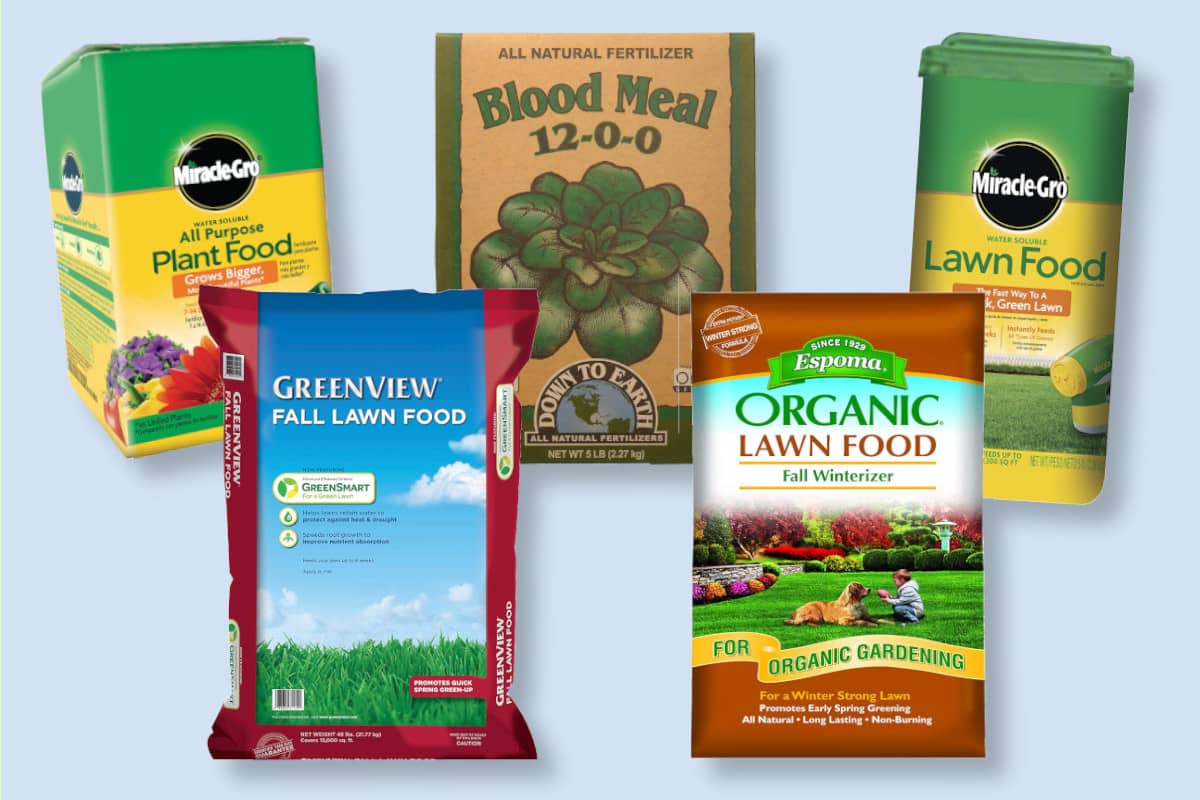
85 products
- More pages
- 1
- 2
- 3
The Benefits of Organic Nitrogen Fertilizer
Organic nitrogen fertilizers offer several advantages over their synthetic counterparts. They are derived from natural sources and are less likely to harm the environment or soil structure. Here are some key benefits:
- Environmental friendliness: Since organic nitrogen fertilizers come from plants or animals, they can be used over and over again. They cut down on the use of nonrenewable materials in synthetic fertilizers.
- Health of the Soil: Organic nitrogen fertilizers make the soil healthier by increasing the activity of microbes and improving the structure and ability to hold water. This leads to improved nutrient absorption by plants.
- Slow Release: Many organic nitrogen fertilizers release nutrients slowly, giving plants a steady supply of nitrogen over a long period of time. This reduces the risk of nutrient runoff and leaching.
- Less damage to the environment: organic fertilizers are better for the environment than synthetic ones. It’s less likely that they will pollute water or hurt good soil organisms.
Free Organic Nitrogen Sources For Plants And Garden! Our Top 10!
FAQ
What plant food is high in nitrogen?
You can choose from a number of organic and synthetic options that are high in nitrogen. Urea is the most nitrogen-rich synthetic fertilizer, at 2046%. Organic choices include blood meal, feather meal, fish emulsion, and alfalfa meal, all of which offer slow to fast-release nitrogen.
Which fertilizer has the highest nitrogen?
The correct answer is Urea. Urea has the highest nitrogen content of all solid fertilizers at 46% N.
What is the best source of nitrogen for plants?
Whether you want a quick boost or a slow, steady release, the best nitrogen source for plants will depend on your needs. Urea is a highly concentrated synthetic fertilizer that offers a rapid increase in nitrogen. For organic options, compost, manure (especially chicken and sheep manure), and blood meal are effective choices.
What is the fastest way to add nitrogen to plants?
For a quick nitrogen boost, consider using blood meal or fish emulsion. Blood meal is a cheap and easy-to-find organic fertilizer that has a lot of nitrogen. However, it’s important to carefully follow the directions for application to avoid over-fertilizing.